Bangladesh Woven in Cloth: Eight Divisions, Eight Handloom Traditions and Their History
From Rangpur's shataranji to Kuakata's Rakhine weave: the best-known handloom craft of each of Bangladesh's eight divisions, the history behind it, who still makes it, and where you can see or buy it on your travels. With our new video and woven map.

- Topic
- Eight hand weaves and embroideries, one per division
- Oldest story
- Rangpur's shataranji, several centuries
- GI status
- Shataranji and Rajshahi silk
- Video
- About 4.5 minutes, by Unseen Bangladesh
- Best way to buy
- Straight from the weavers
Trip ticket
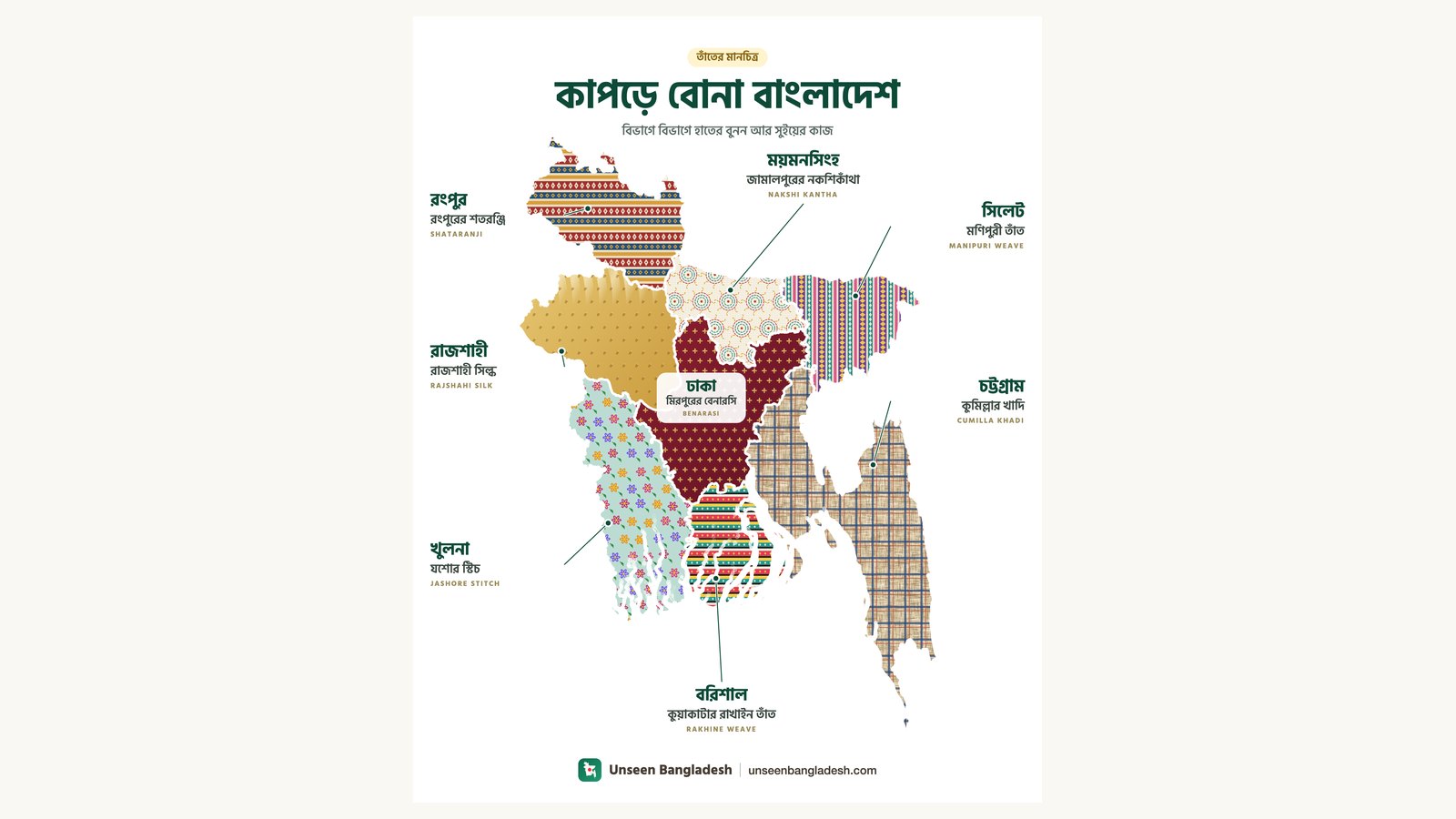
There are many ways to get to know a country: by its rivers, its hills, its food. This time we wanted to know Bangladesh by its cloth. Almost every region here has its own weave and its own patterns, and behind every thread is a story many generations long. That idea became our "Bangladesh Woven in Cloth" map and the video that goes with it, where each of the eight divisions is filled with the pattern of its best-known textile.
This post goes through each chapter of the video in more detail: where each fabric was born, why, who still weaves it, and where you can see or buy it when you travel.
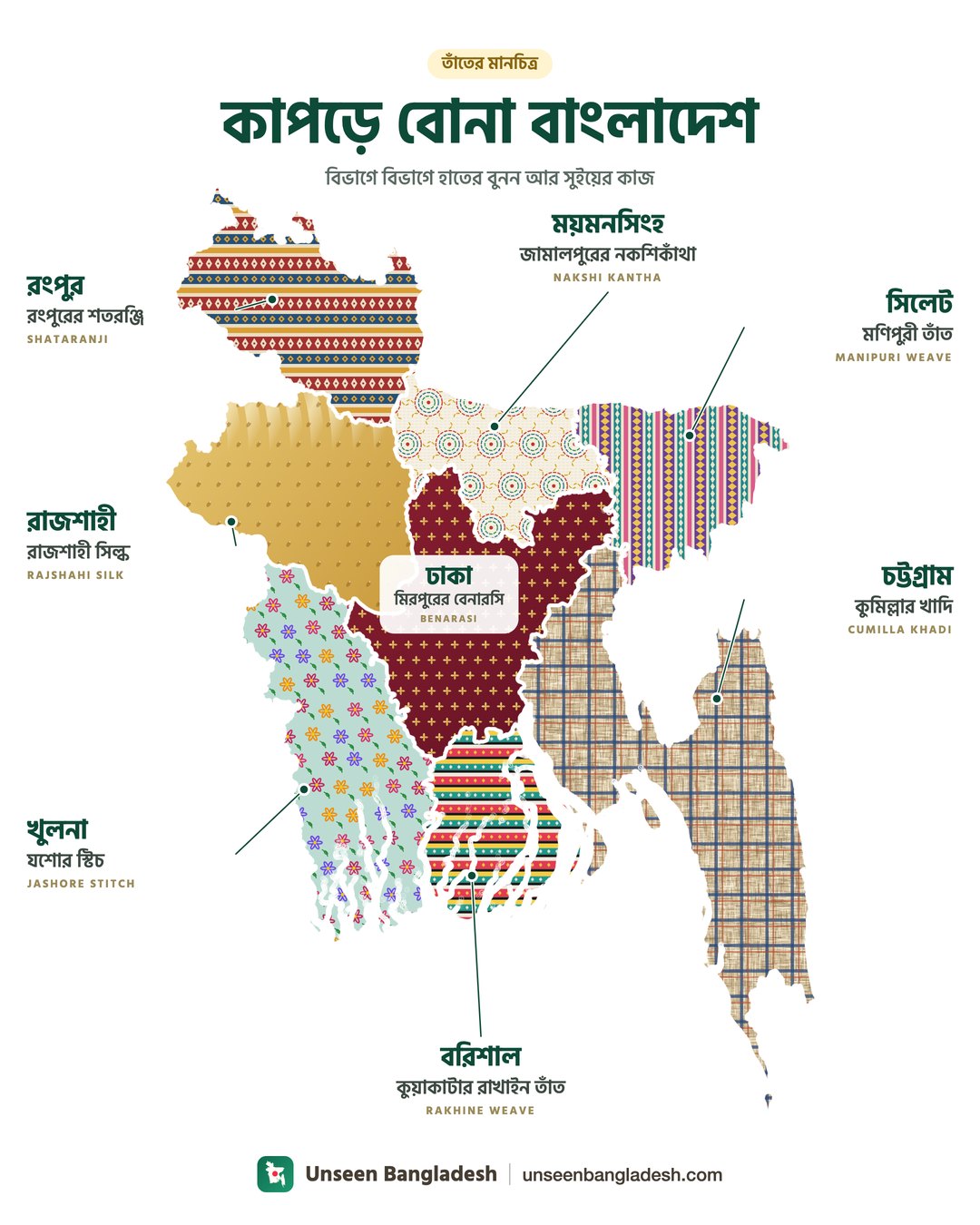
How the map and video were made
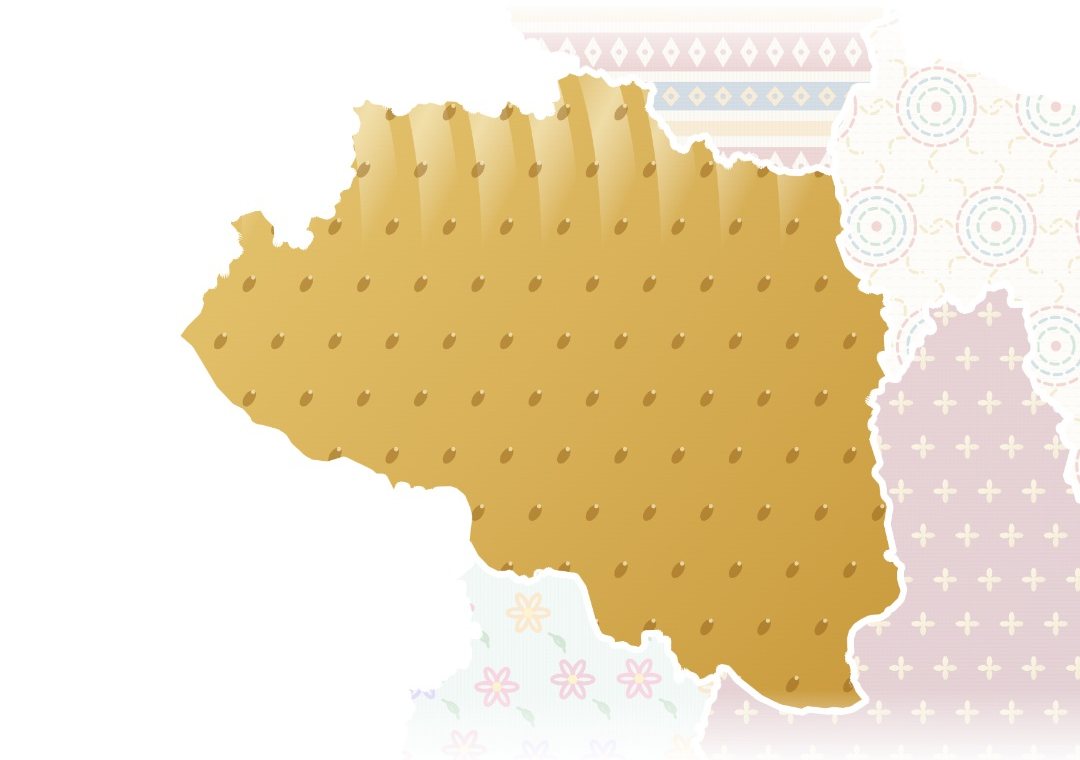
Each division on the map is filled with a pattern drawn in code after its region's best-known fabric: the stripes of shataranji in Rangpur, the round stitches of kantha in Mymensingh, the upright coloured bands of Manipuri weave in Sylhet, the golden sheen of silk in Rajshahi, gold flowers on Benarasi maroon in Dhaka, the coarse check of khadi in Chattogram, the bright flowers of Jashore stitch in Khulna and the vivid stripes of Rakhine weave in Barishal.
In the video the camera flies from one division to the next, and each one is woven in again by a loom shuttle. Along the way come real photos, map pins, and the routes people took from Manipur, Benares and Arakan. The photos are from Wikimedia Commons, with each photographer named under the picture.
Rangpur: shataranji
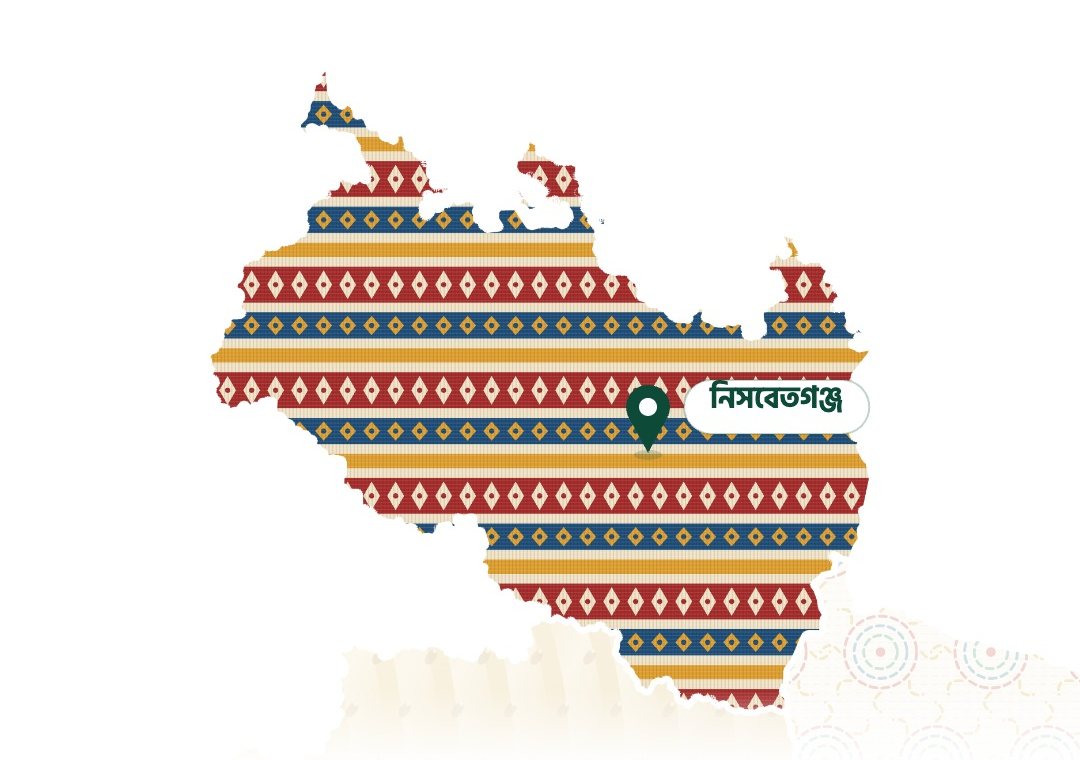
Near Rangpur town is a village called Nisbetganj, where shataranji, a flat rug woven by hand from thick yarn, has been made for several hundred years. The village name has a story too: in British times the Rangpur collector, Nisbet, encouraged the craft, and the village was named Nisbetganj after him.
Shataranji needs no machine. The warp is stretched along the ground and the pattern is built by hand, one row at a time, so no two rugs come out exactly alike. Rangpur's shataranji is now a registered geographical indication (GI) product of Bangladesh, and it is sold abroad as well.
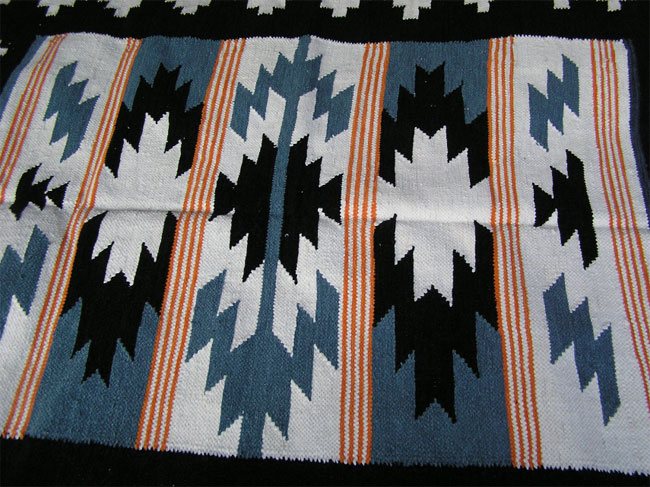
- Where to see it: Nisbetganj is close to Rangpur town, and town showrooms sell shataranji too.
- Also visit: Tajhat Palace and Carmichael College.
Mymensingh: Jamalpur's nakshi kantha
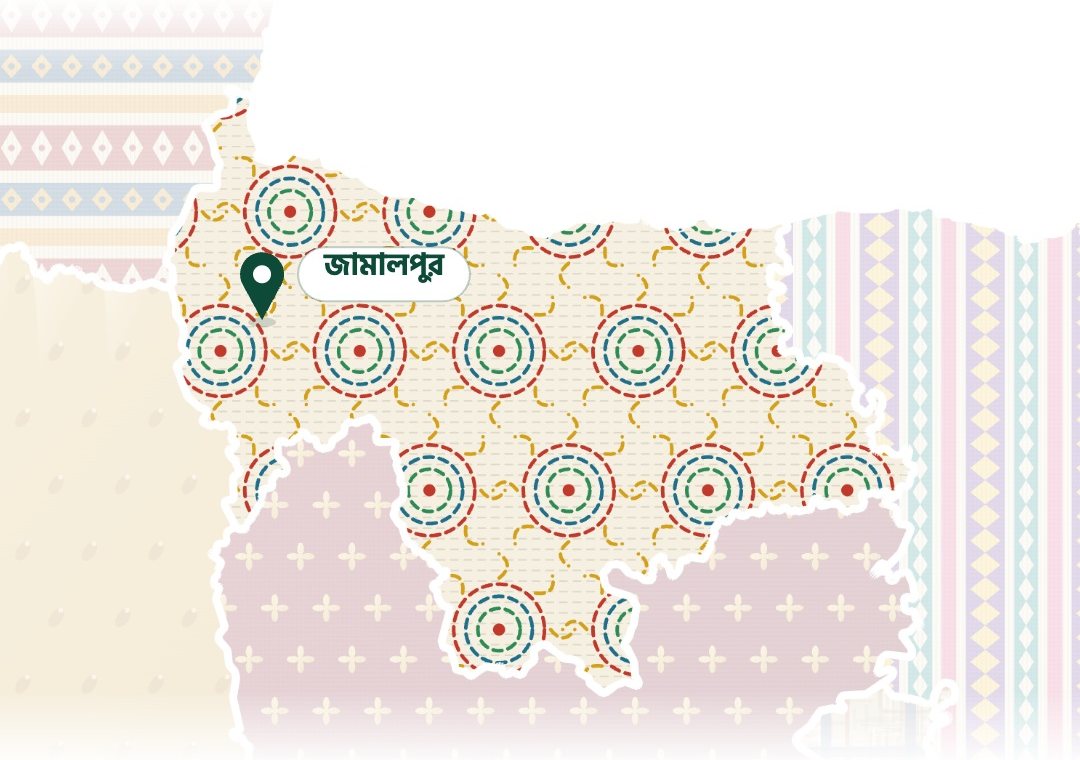
Jamalpur, in Mymensingh division, is known for nakshi kantha. Village women once layered old saris together into a quilt, a kantha, and stitched flowers, birds, boats and the stories of their own lives across it with needle and thread. That is how a plain kantha became a nakshi (patterned) kantha.
The poet Jasimuddin's famous verse tale "Nakshi Kanthar Math" (The Field of the Embroidered Quilt) is about the people of this region; in it, the quilt holds memories of love and loss. Today thousands of women in Jamalpur support their families with this needlework.
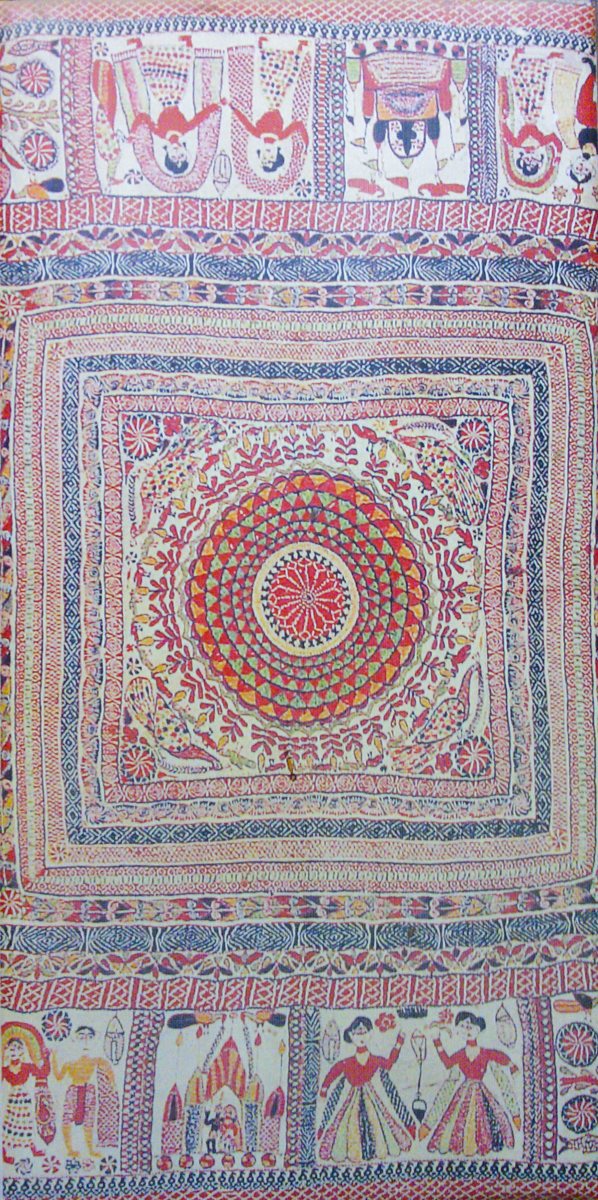
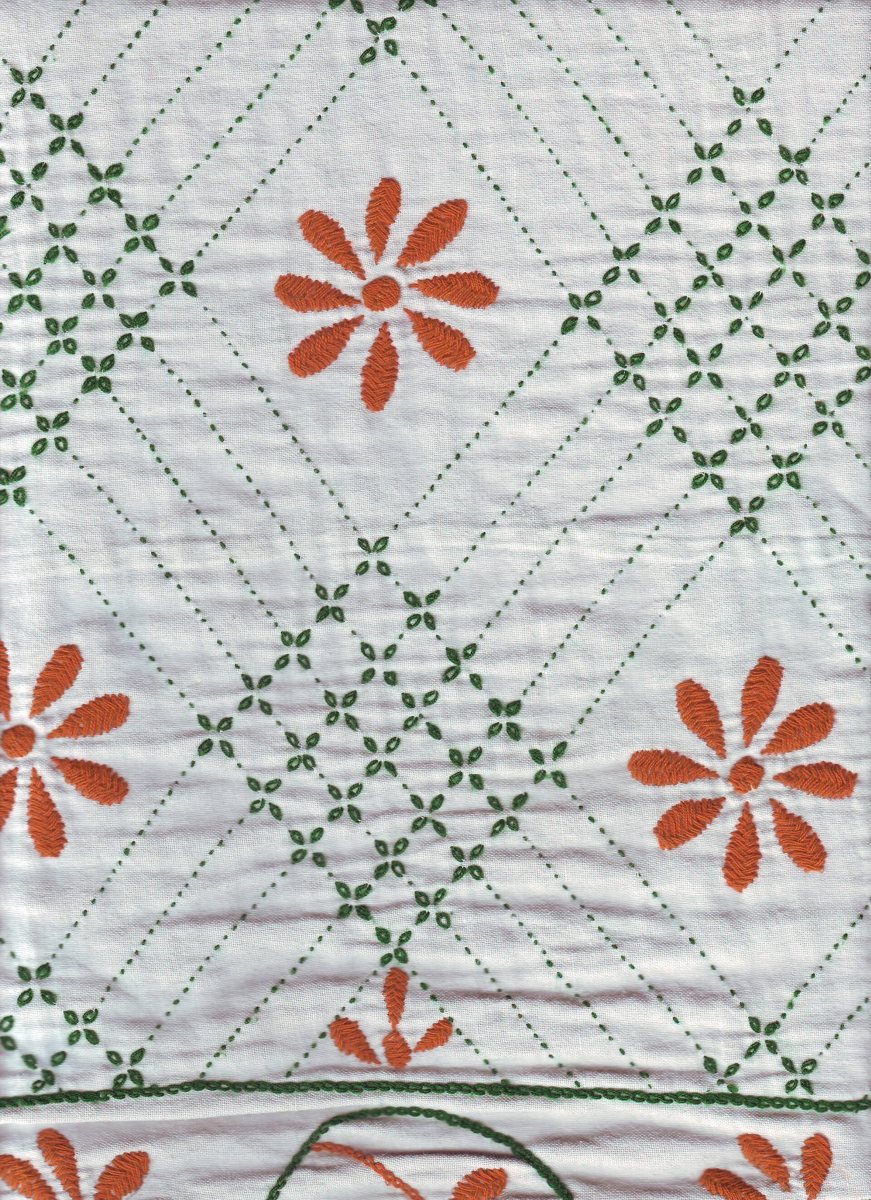
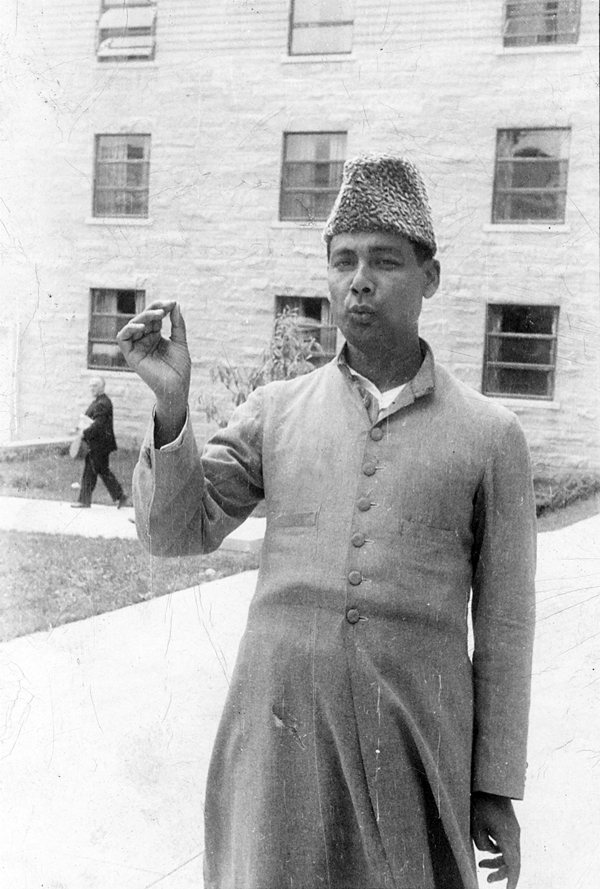
- Where to see it: kantha and handicraft shops in Jamalpur town; near Dhaka, the folk art museum at Sonargaon keeps old nakshi kanthas.
Sylhet: Manipuri weave
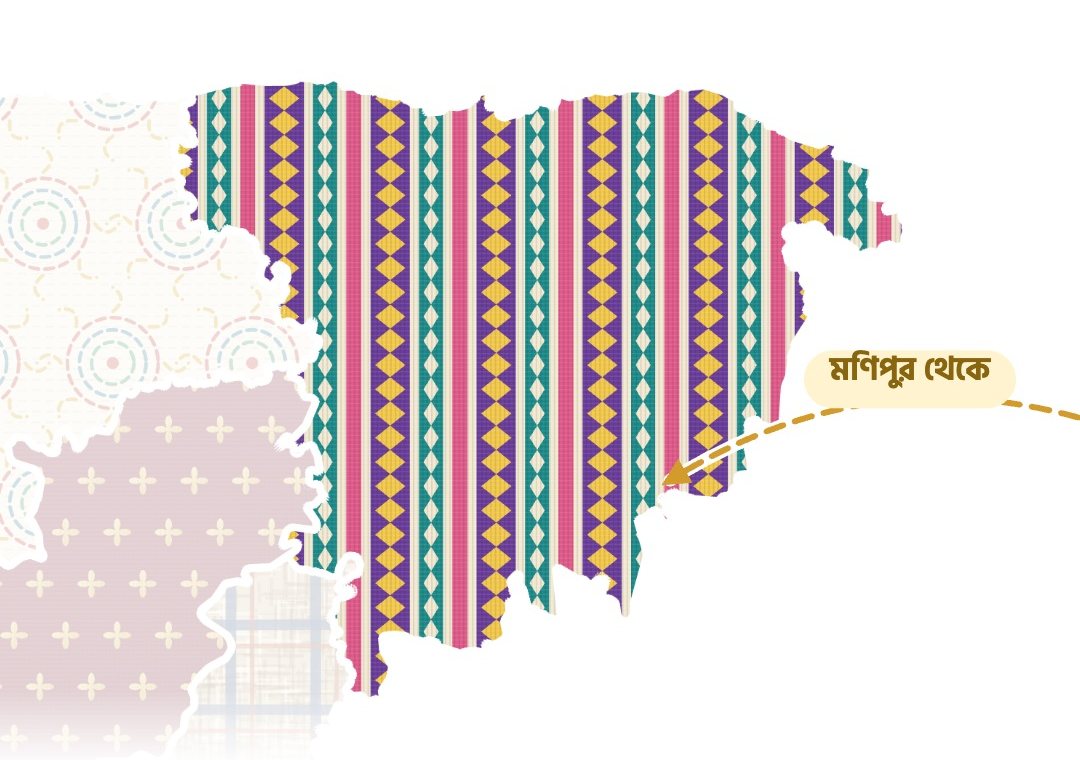
In the 18th and 19th centuries, war and unrest drove many families from Manipur into the Sylhet region. They brought their language, their dance and their looms. Manipuri women weave saris, shawls and scarves at home on back-strap looms, and the bright colours and geometric patterns make Manipuri cloth easy to recognise.
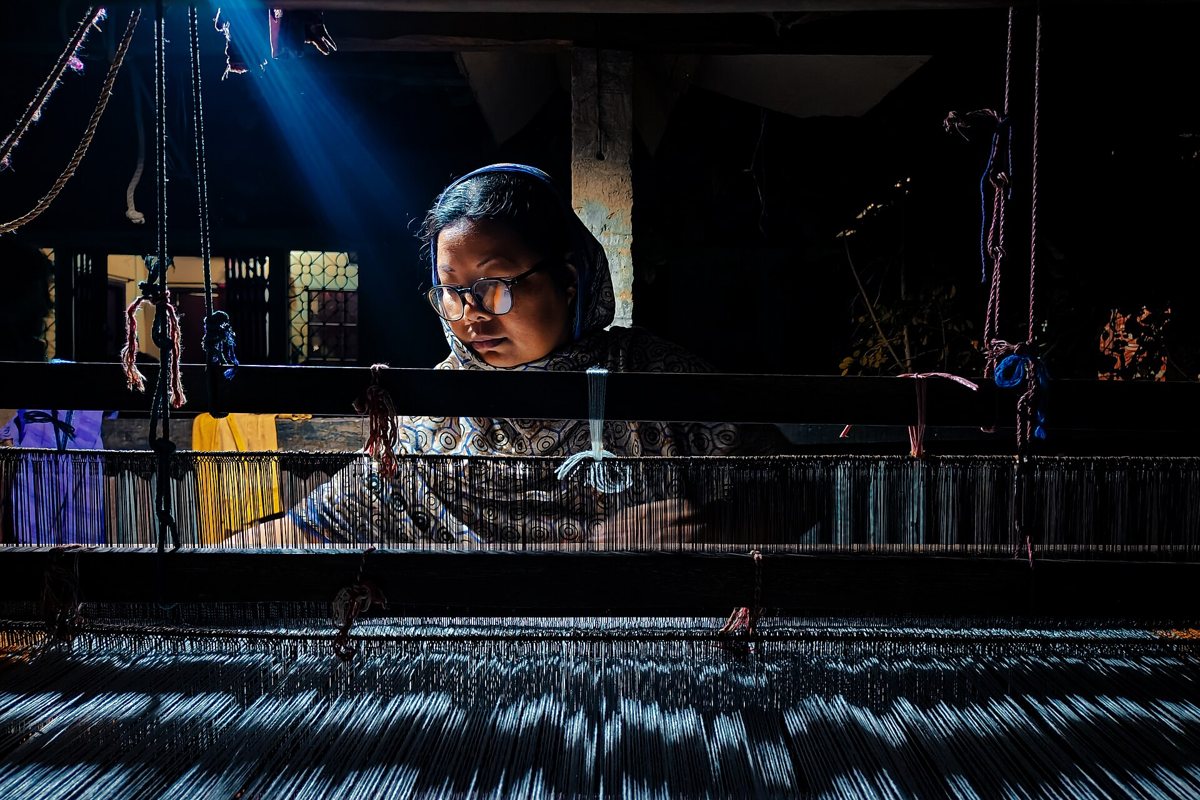
- Where to see it: in the Manipuri neighbourhoods of Kamalganj, Moulvibazar, you can still hear looms clacking from house to house; Sreemangal also has shops selling Manipuri cloth.
- Also visit: Lawachara National Park and Madhabpur Lake; the full plan is in our Sreemangal travel guide.
Rajshahi: Rajshahi silk
Mulberry farming and silkworm rearing go back a long way in the Barind region. Silkworms feed on mulberry leaves and spin cocoons, and fine silk thread is drawn from those cocoons. The soft, lustrous cloth woven from it is Rajshahi silk.
- Mulberry leaf: the silkworm's only food.
- Silkworm: eats for a few weeks, then spins a cocoon around itself.
- Cocoon: softened in hot water so one long thread can be reeled from each.
- Silk thread: woven on the loom into saris, yardage and scarves.
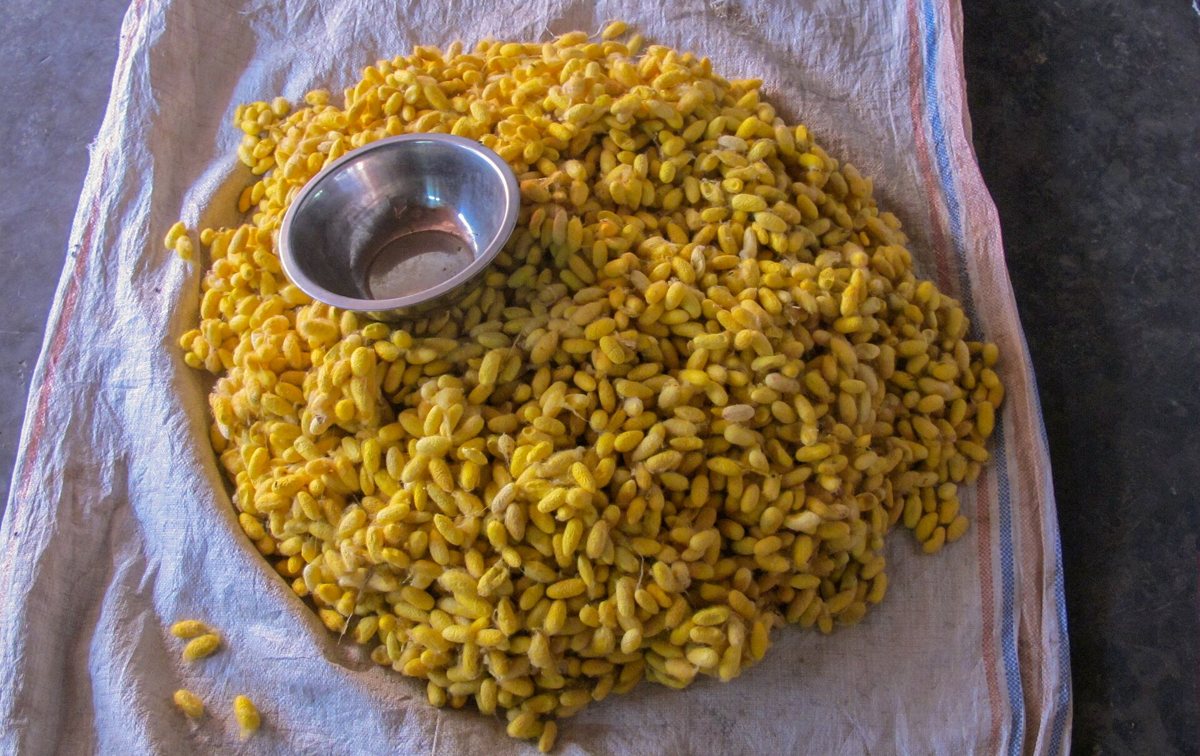
The head office of the country's silk board is in Rajshahi, and Rajshahi silk is now a registered GI product too.
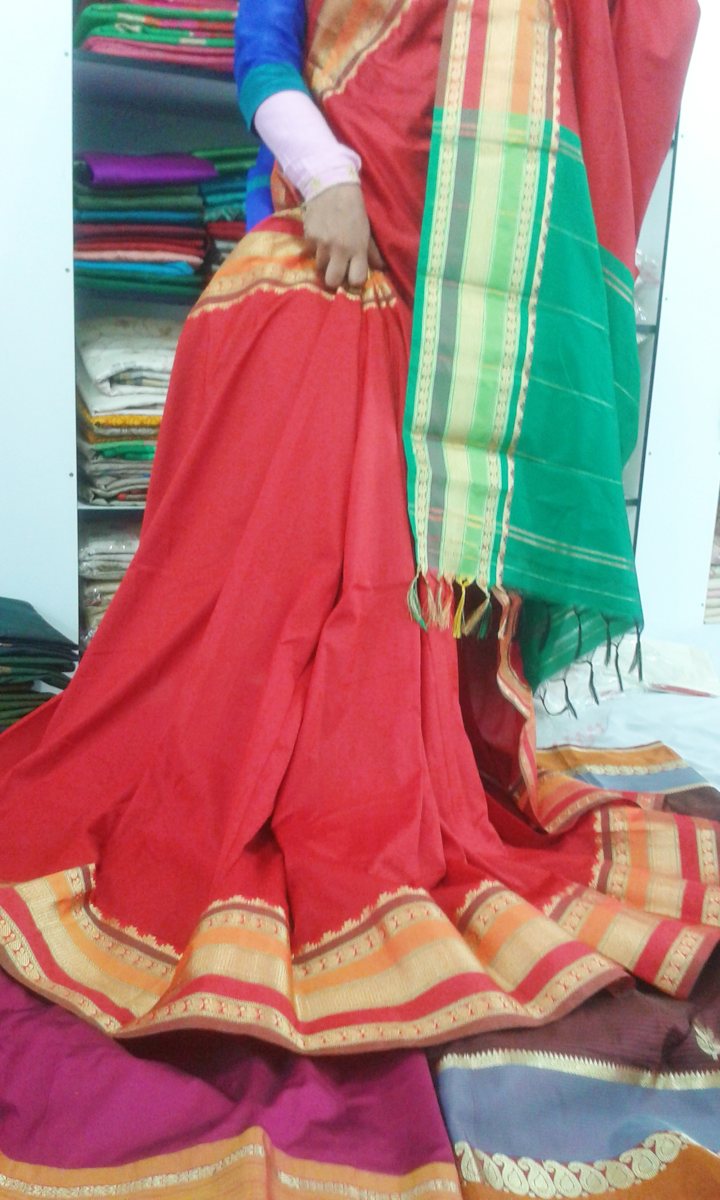
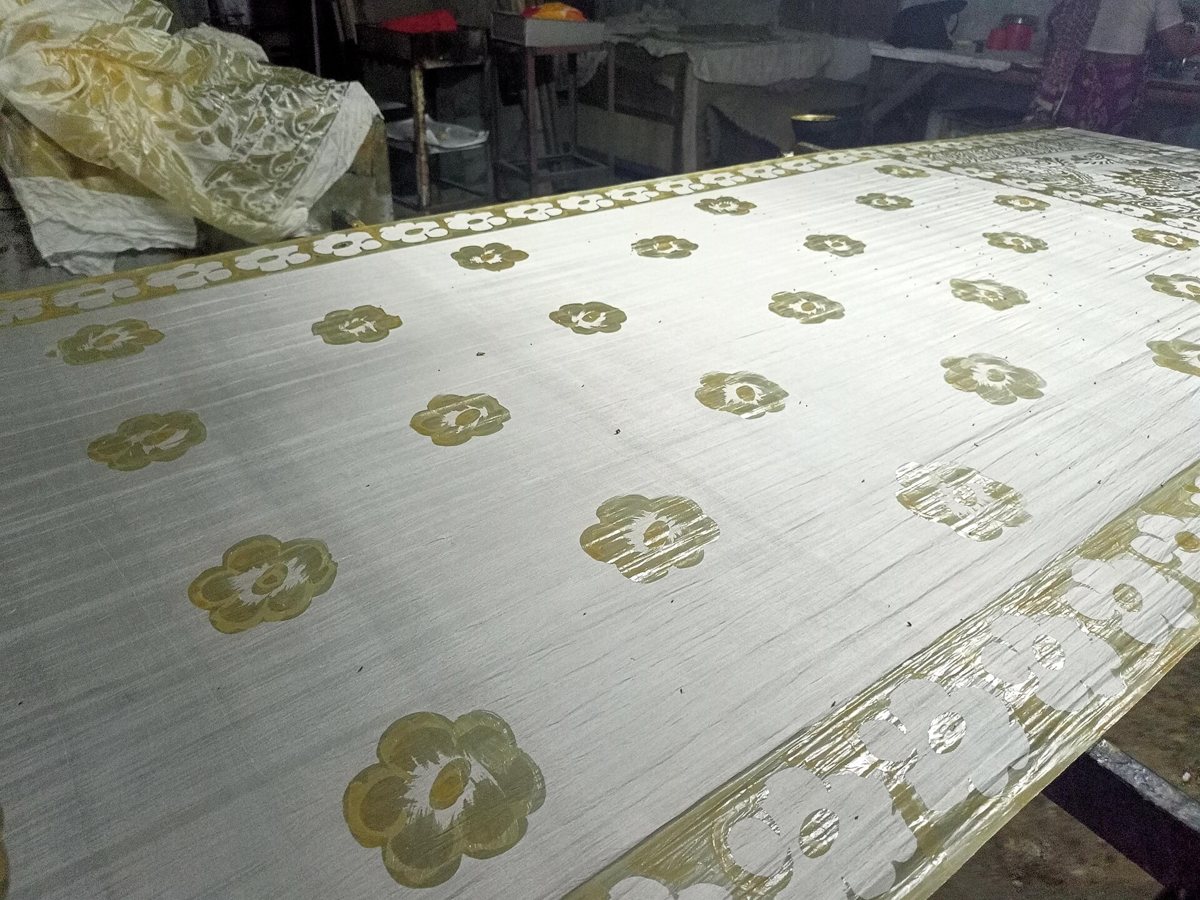
- Where to see it: silk factories and showrooms in the Sopura area of Rajshahi town; at many of them you can watch the weaving.
- Also visit: the Varendra Research Museum and the Puthia temples; a two-day plan is in our Rajshahi travel guide.
Dhaka: Mirpur's Benarasi
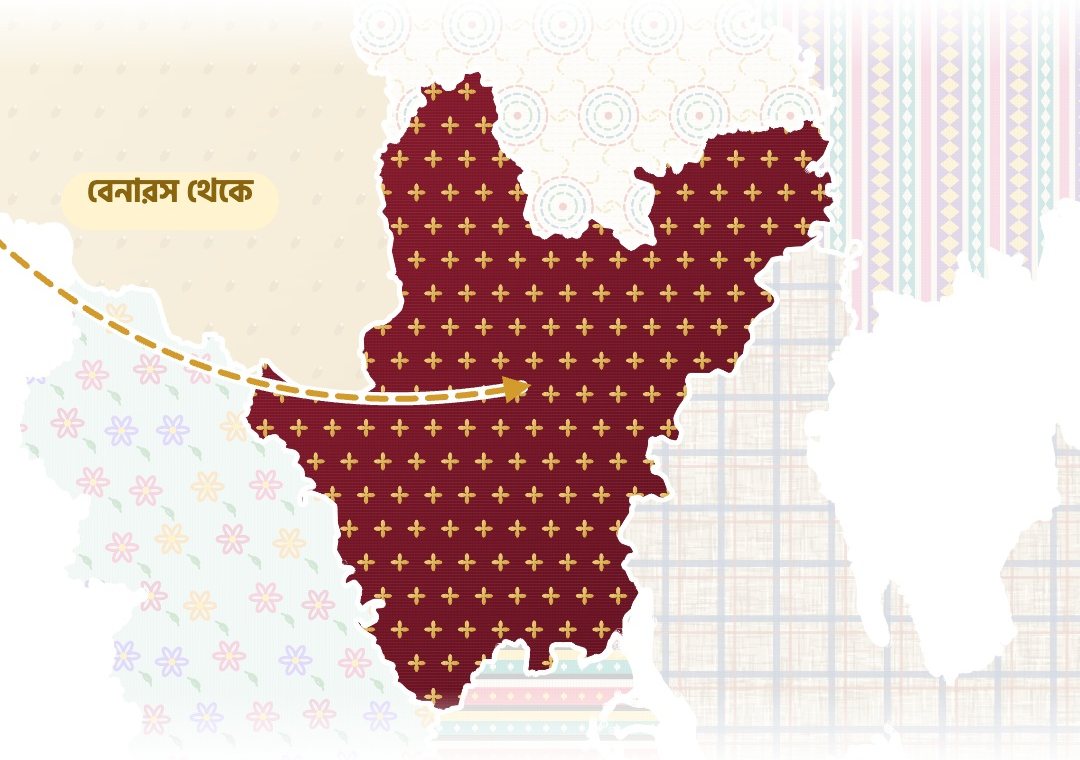
After the Partition of 1947, many weaving families came to Dhaka from Benares (Varanasi) in India. They settled in Mirpur and brought the craft of the Benarasi sari with them, and so Mirpur's Benarasi Palli (Benarasi quarter) was born. With gold zari and fine patterns, these saris are still the first choice of many Bangladeshi brides on their wedding day.
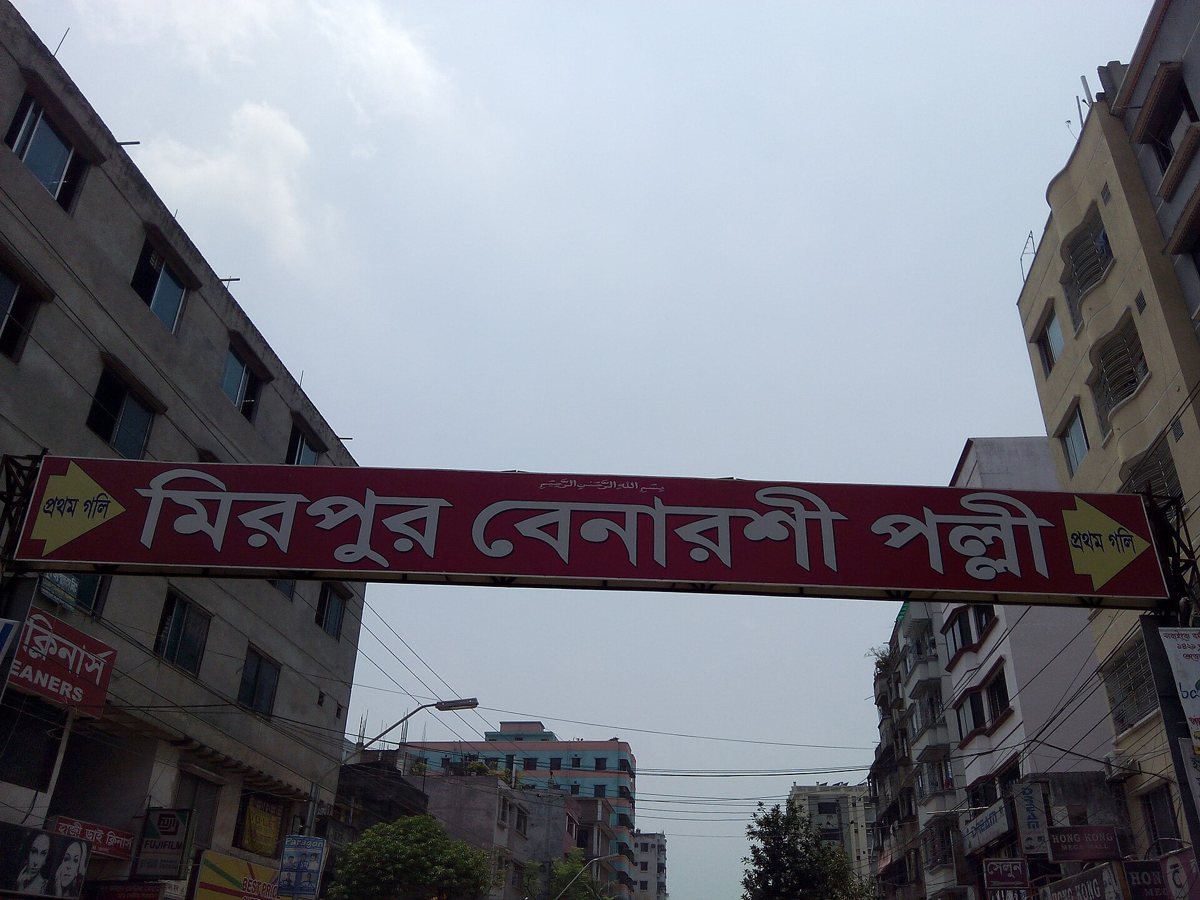
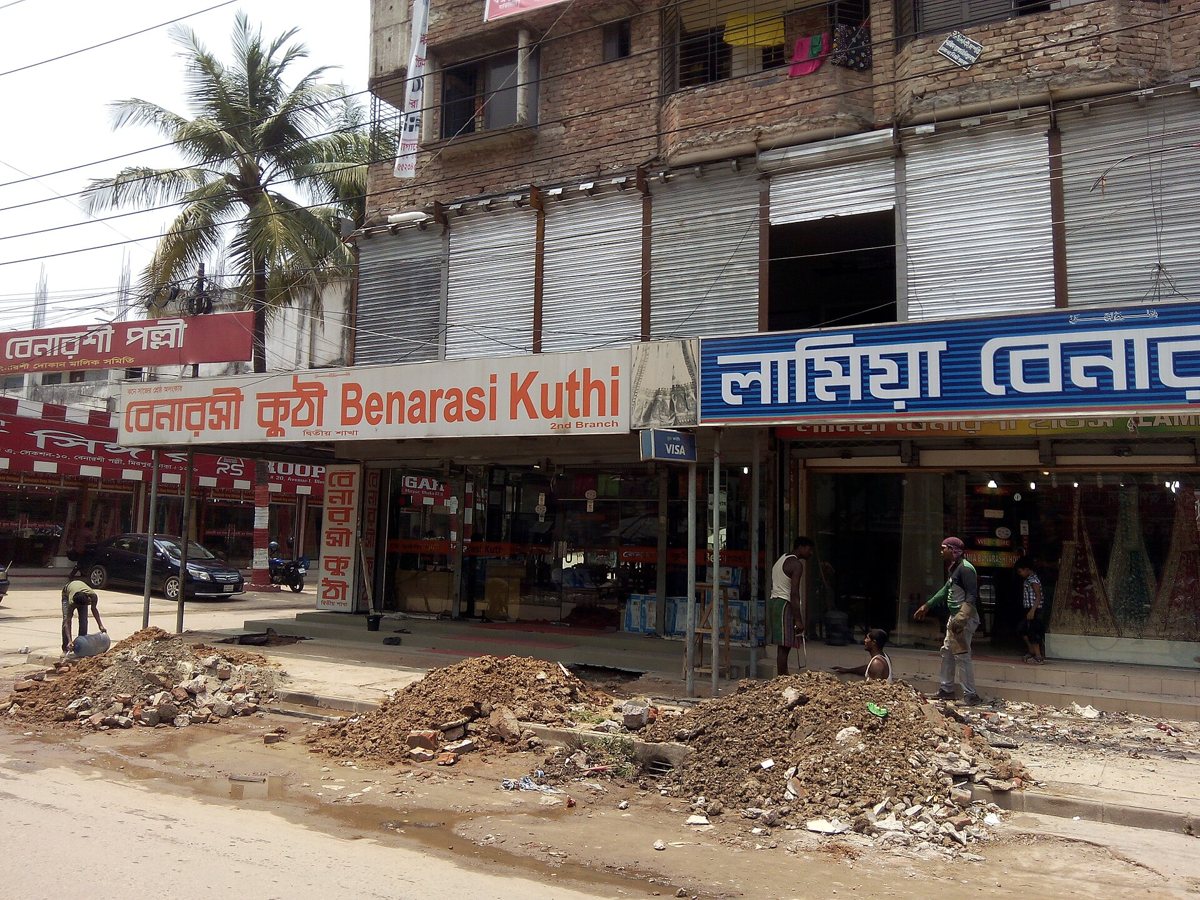
- Where to see it: rows of shops in Mirpur's Benarasi Palli; it gets crowded in wedding season, so go in the morning.
Chattogram: Cumilla's khadi
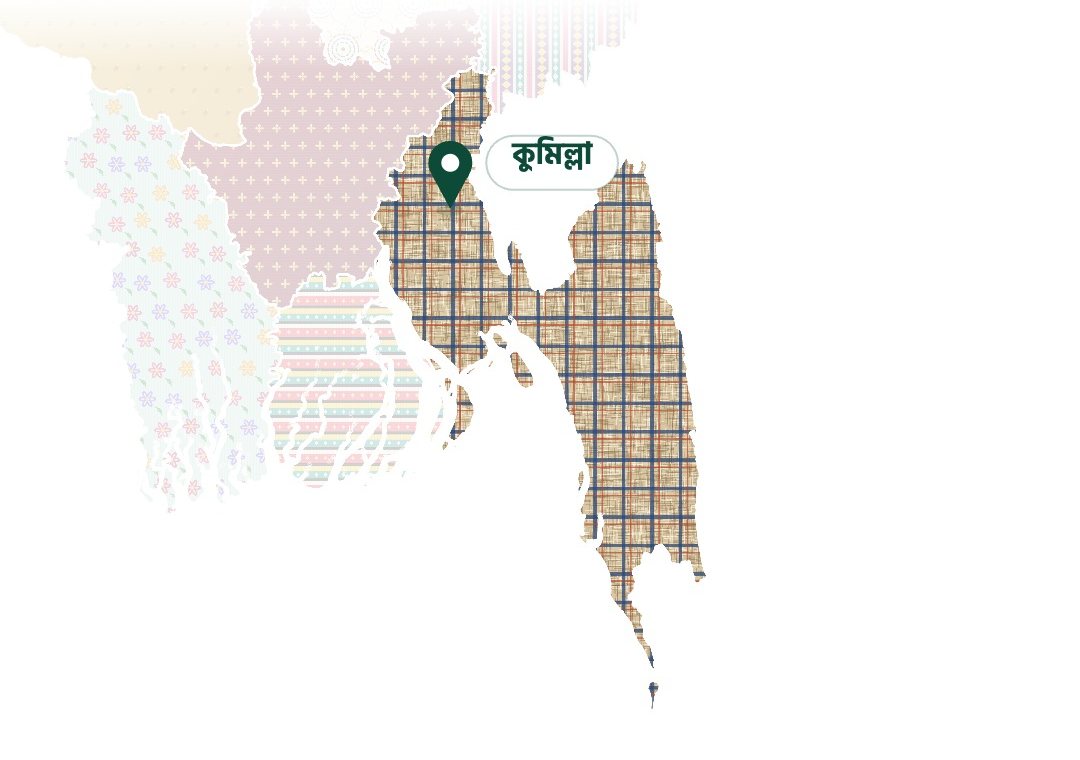
In the early 20th century, the Swadeshi movement called for a boycott of foreign cloth. People began spinning their own yarn on the charkha, and the cloth woven from it was called khadi. The Abhoy Ashram, founded in Cumilla in 1921, played a big part in spreading khadi, and ever since, khadi has meant Cumilla. The thick, comfortable cloth is still popular for winter shawls and panjabis.
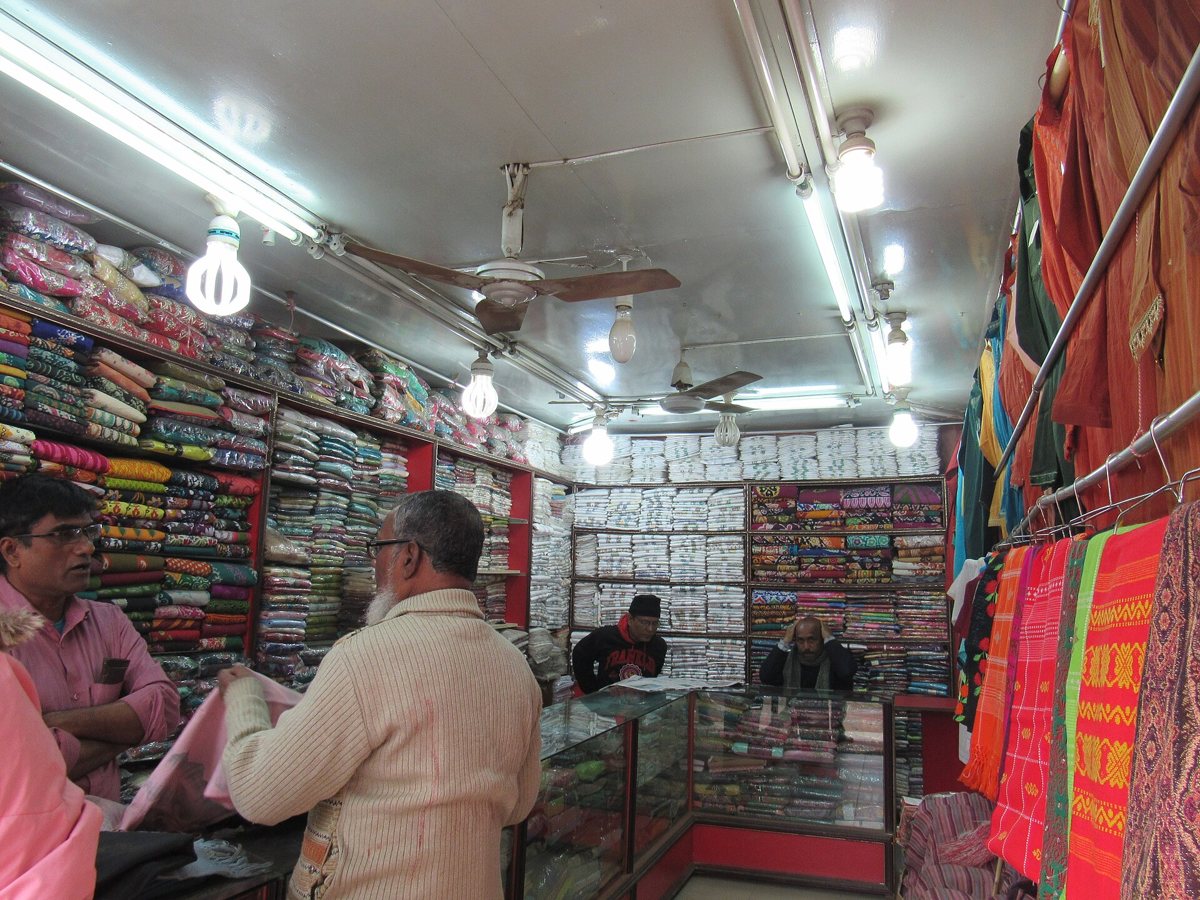
- Where to see it: the row of khadi shops in Kandirpar, Cumilla town.
- Also visit: Mainamati, Shalban Vihara and Dharmasagar.
Khulna: Jashore stitch
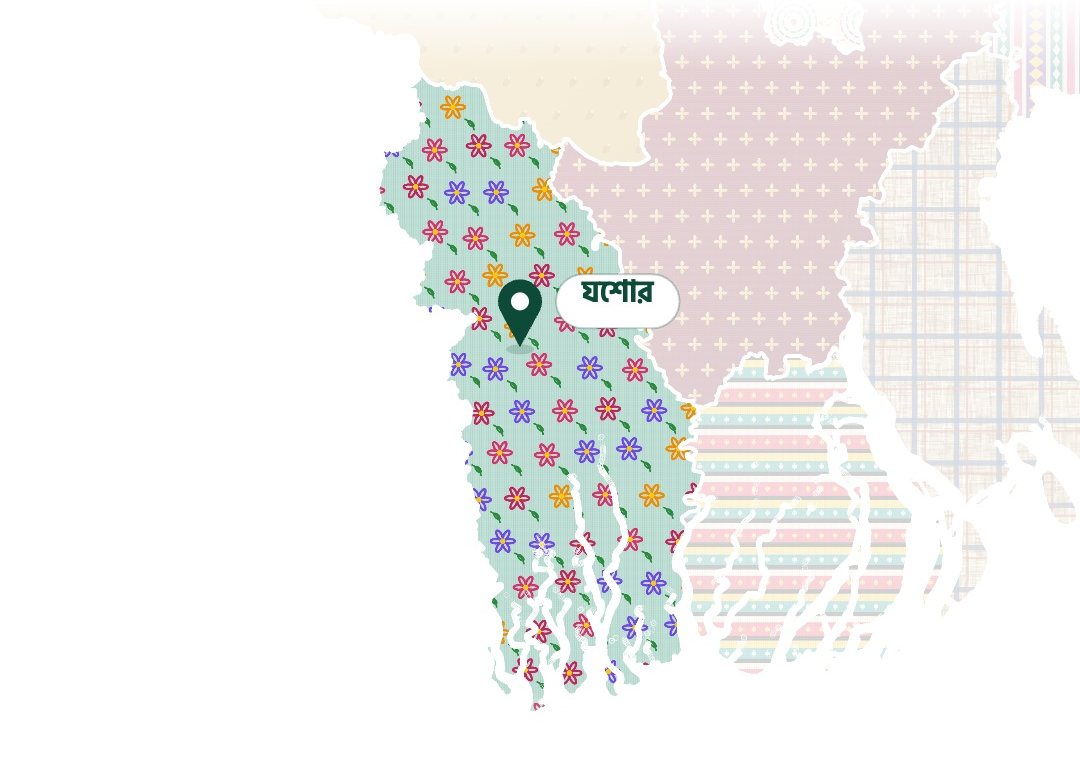
Jashore stitch is a kind of hand embroidery: dense, colourful stitches that raise flowers and vines on saris, panjabis and three-piece suits. It grew up in the hands of village women in Jashore, and this embroidery, done in the gaps between housework, is now the main income of many families.
- Where to see it: shops and fairs in Jashore town; in the villages you will see women embroidering in their courtyards.
- Also visit: Sagardari, birthplace of the poet Michael Madhusudan Dutt, and the Chanchra Shiva Temple.
Barishal: Kuakata's Rakhine weave
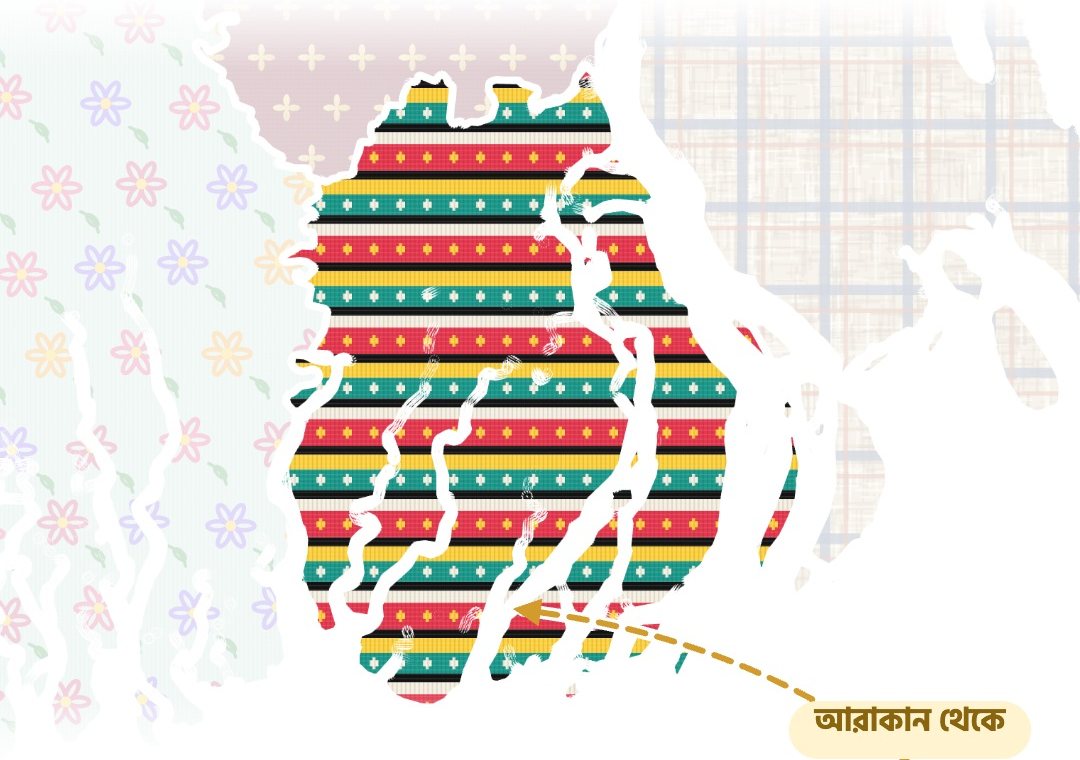
In the late 18th century, Rakhine people from Arakan settled on the coast of Patuakhali and Barguna. Rakhine women weave lungis, shawls, gamchas and bags on hand looms, and their bright striped cloth catches your eye as soon as you walk into the Kuakata market.
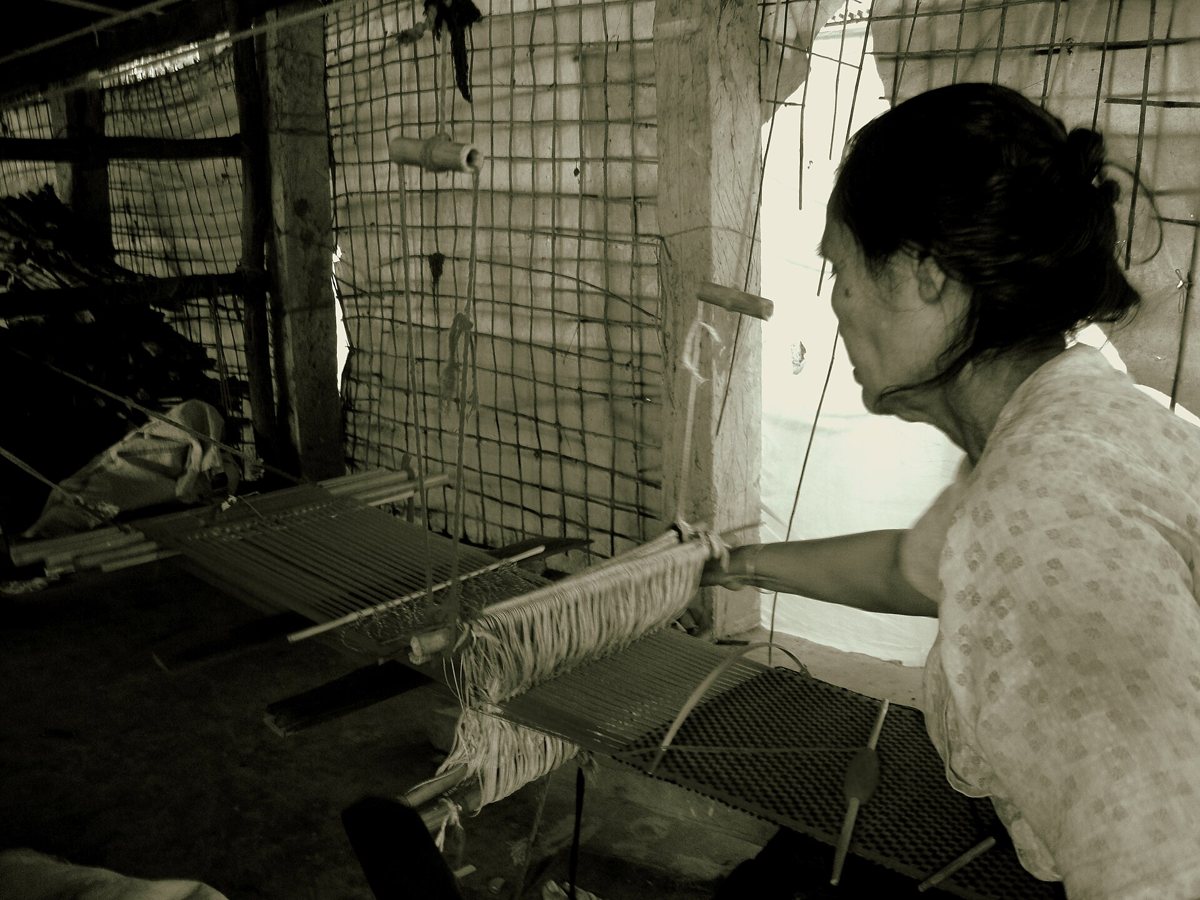
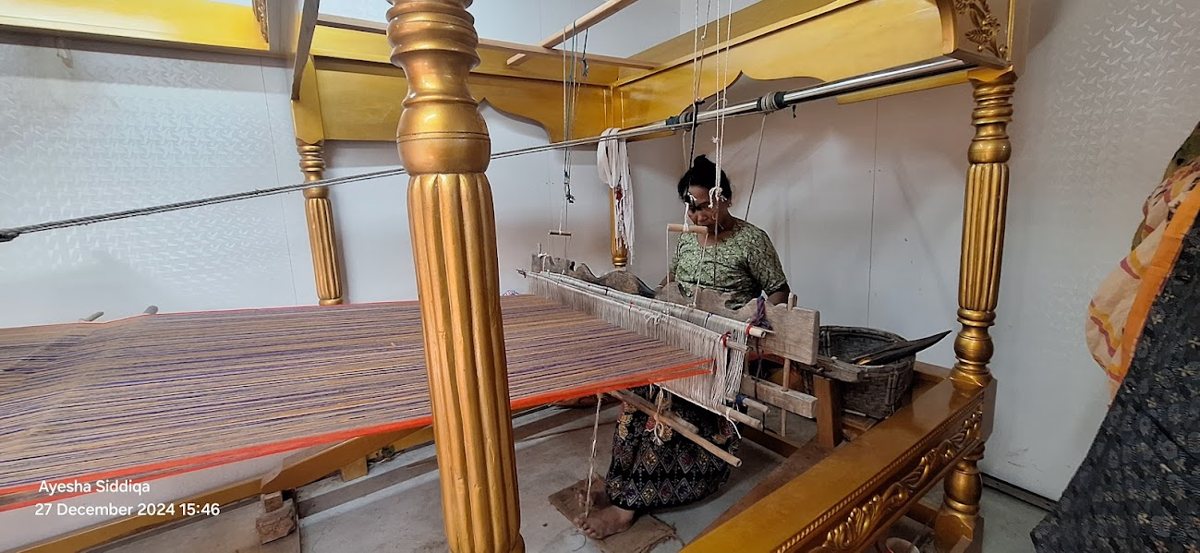
- Where to see it: the Rakhine market near Kuakata beach and the Rakhine villages around it; you will also pass looms on the way to the Misripara Buddhist temple. Full plan: Kuakata travel guide.
Support the weavers
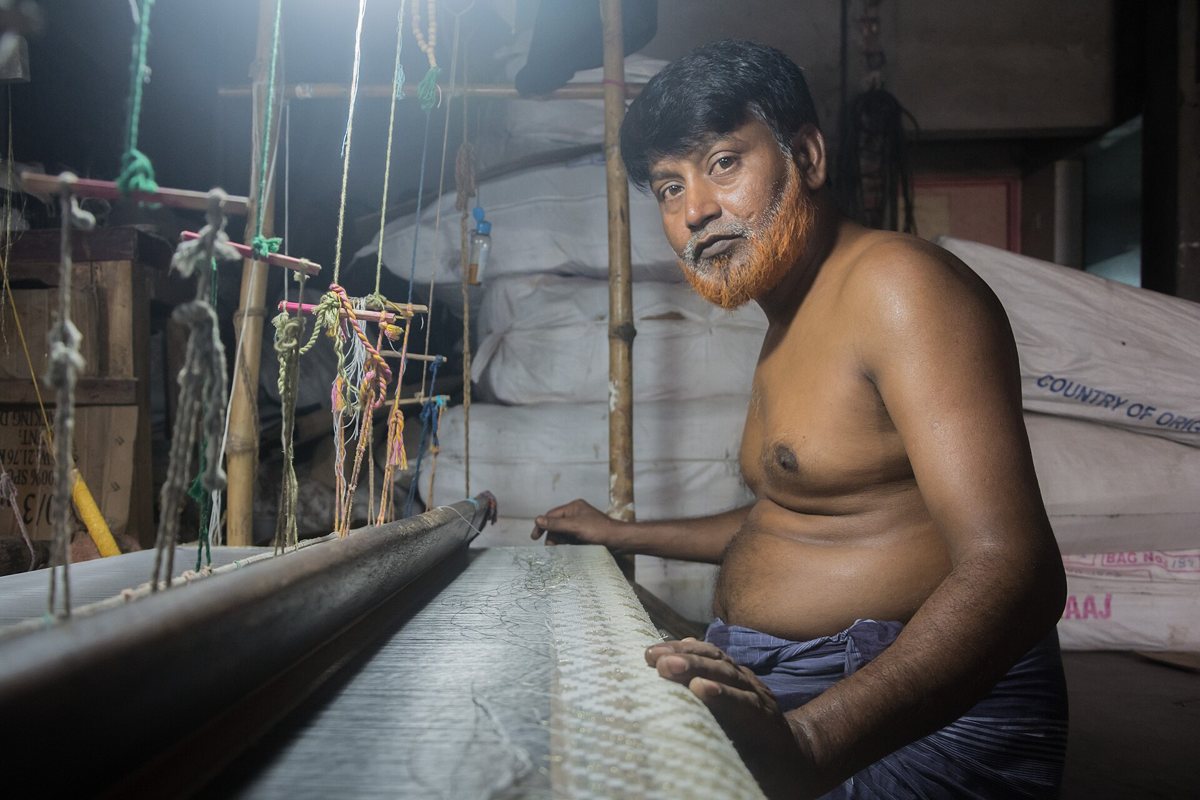
From Rangpur's shataranji to Kuakata's Rakhine weave, these fabrics survive in the care of a few people's hands. Competing with cheap factory cloth, many weaving families are leaving the trade. So the next time you travel, bring back at least one thing from the local weavers. It is the simplest way to keep these crafts alive.
Picking one weave per division meant leaving many out: Tangail saris, Narayanganj's jamdani, the looms of the Bawm and Chakma in the hills, and more. Which fabric from your area should have been on this list? Tell us on our Facebook page.
Questions and answers
Which Bangladeshi handloom textiles have GI status?
Of the eight in this post, Rangpur's shataranji and Rajshahi silk are registered GI products. Jamdani and the Tangail sari are on the GI list as well.
Where can I buy shataranji?
From the weavers in Nisbetganj village near Rangpur town, or from showrooms in Rangpur. Large handicraft shops in Dhaka also stock it.
Where is Mirpur Benarasi Palli?
In Mirpur, Dhaka. Weaving families who came from Benares after Partition settled here, which is why it is called the Benarasi quarter.
Why is khadi linked with Cumilla?
During the Swadeshi movement, the Abhoy Ashram was founded in Cumilla in 1921 and did much to spread khadi, cloth woven from hand-spun yarn. Cumilla has been known for khadi ever since.
Where can I find Manipuri handloom cloth?
In the Manipuri neighbourhoods of Kamalganj, Moulvibazar, and in shops in Sreemangal. Many families still weave on looms at home.
See it on the map, plan your trip
Look up the places, routes and costs, then put your own trip together.