Foreign Tourists in South Asia, 2025: Our Neighbours Grew, Bangladesh Fell 7.6%
In 2025 Sri Lanka, the Maldives and Bhutan welcomed more foreign tourists than ever, while Bangladesh fell to 585,145. Country by country numbers, what each neighbour does well, why Bangladesh is behind, and what the coming National Tourism Master Plan could change.

- Bangladesh, 2025
- 585,145 foreign arrivals (−7.6%)
- Fastest growth
- Bhutan +44%, Sri Lanka +15%
- Per 1,000 people
- About 3 foreign visitors, the lowest of six countries
- Leisure share
- Only ~15% of Bangladesh's foreign arrivals
- What's next
- National Tourism Master Plan, rollout from January 2027
Trip ticket
In 2025, 585,145 foreigners came to Bangladesh, 47,949 fewer than in 2024, a fall of 7.6% according to the Bangladesh Tourism Board. In the same year Sri Lanka welcomed 2.36 million foreign tourists (+15%), the Maldives grew by about 10%, and Bhutan jumped 44%. Even India, which also fell, still received 9.15 million.
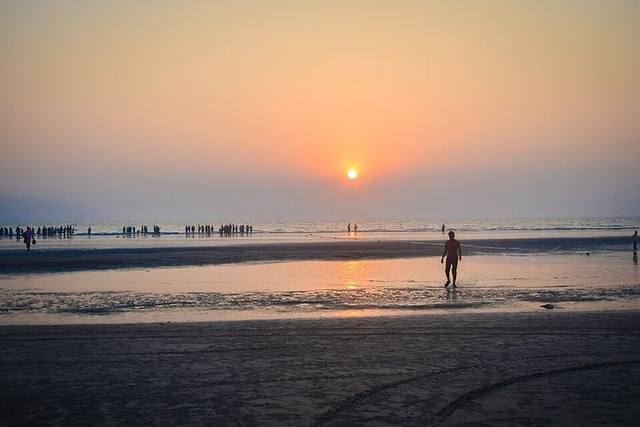
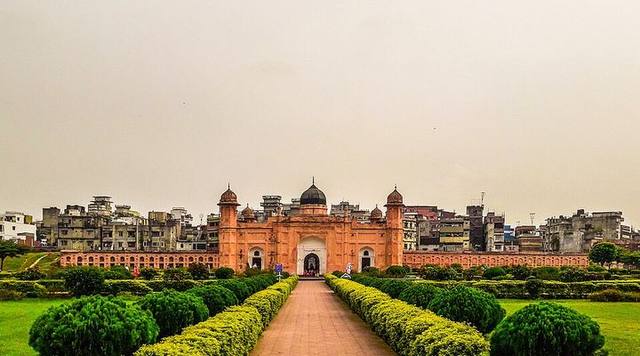
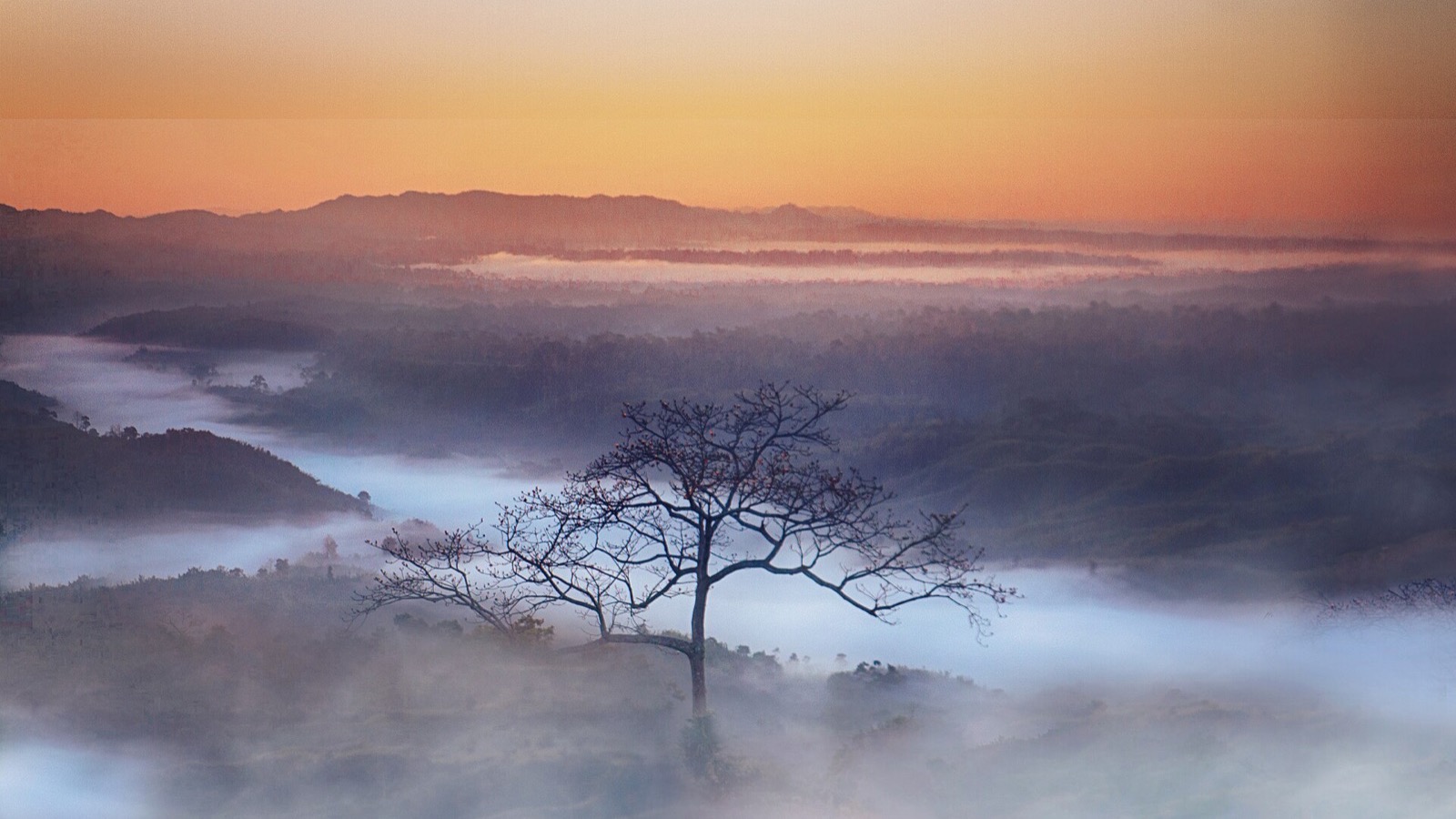
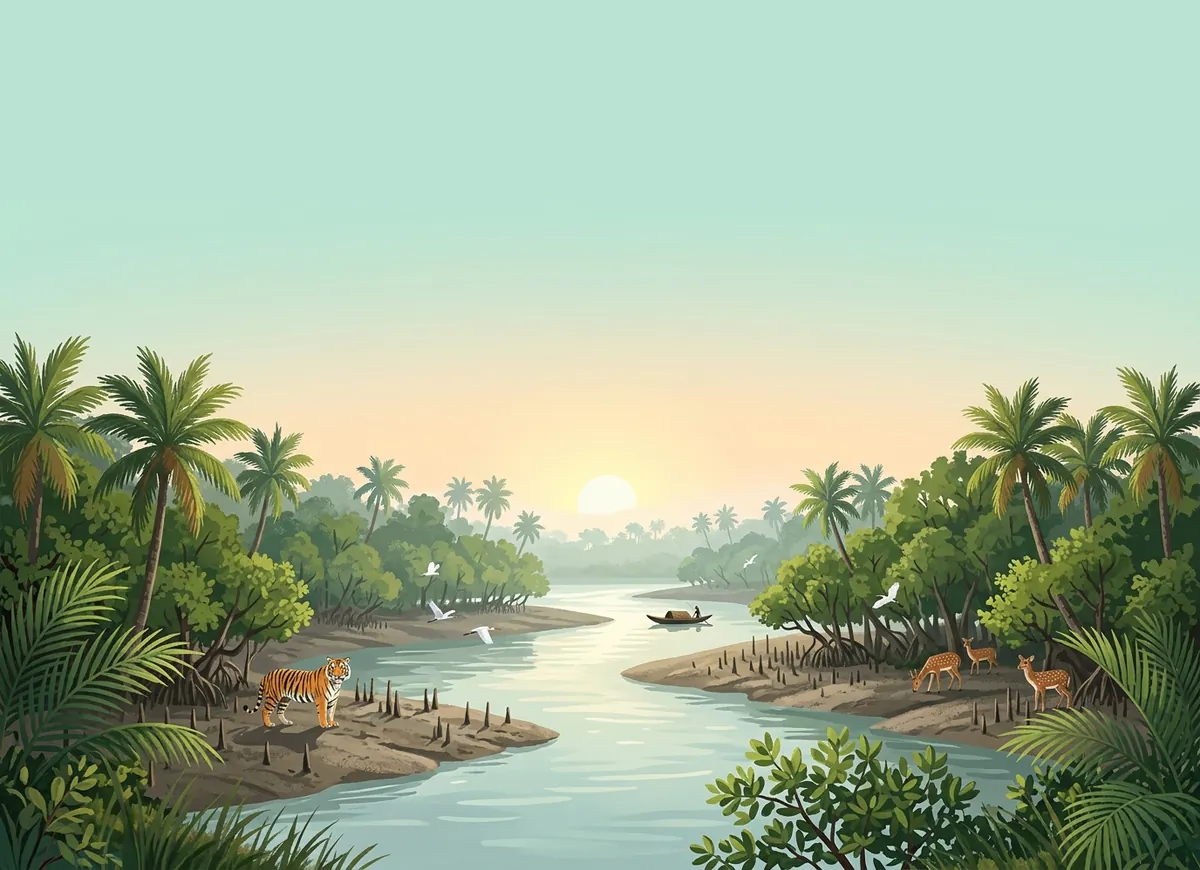
Bangladesh has the longest sea beach in the world, the largest mangrove forest, tea hills, haors and a thousand years of heritage. So why do so few foreign travellers come, and what are our neighbours doing differently? Here are the numbers, country by country, and what they mean for us.
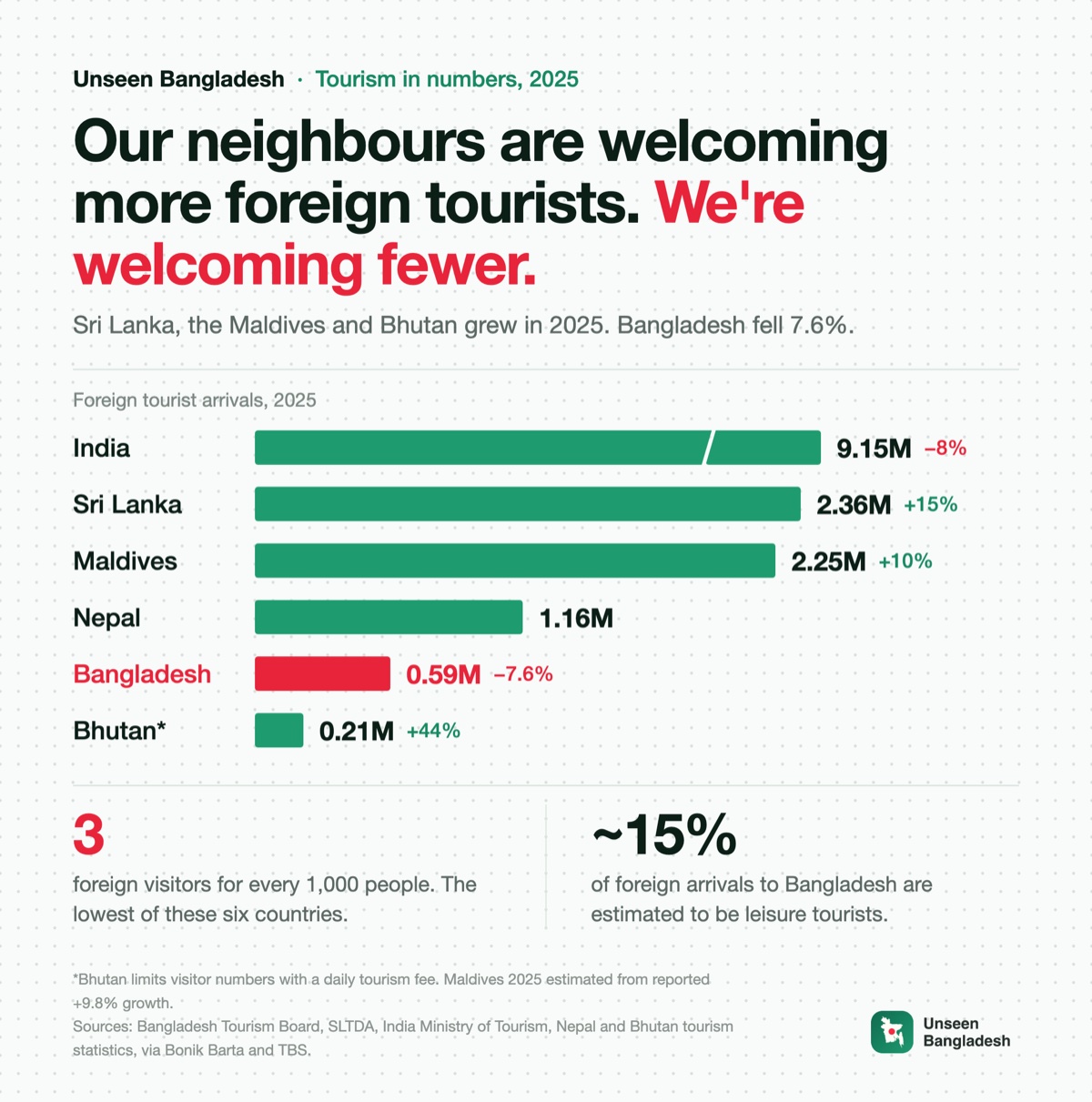
The numbers at a glance
| Country | Arrivals, 2025 | Change |
|---|---|---|
| India | 9.15 million | −8% |
| Sri Lanka | 2.36 million | +15% |
| Maldives | ~2.25 million* | +9.8% |
| Nepal | 1.16 million | — |
| Bangladesh | 585,145 | −7.6% |
| Bhutan | 209,376 | +44% |
*The Maldives figure is our estimate from its reported 9.8% growth on 2024's 2,046,615 arrivals.
Bhutan received fewer visitors than Bangladesh, but by choice: it charges every tourist a daily fee and wants fewer, higher-spending guests. Measured against population, Bangladesh receives the fewest foreign visitors of the six, around 3 for every 1,000 people. India gets about 6, Nepal 39, Sri Lanka 107, Bhutan 265 and the Maldives more than 4,000 (approximate, using rounded populations).
India: big but slowing
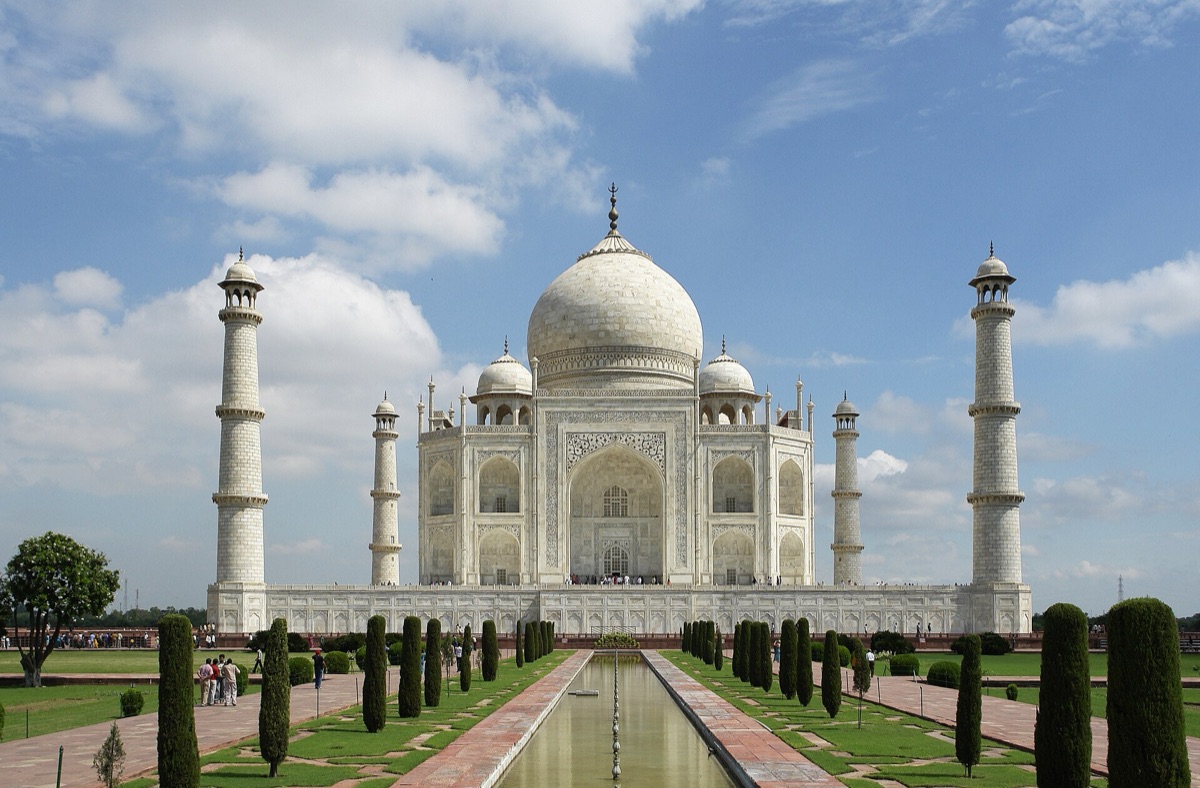
India is South Asia's giant, with 9.15 million foreign tourist arrivals in 2025 according to its Ministry of Tourism, but that is about 8% fewer than in 2024 and still below its pre-pandemic peak of 10.9 million. A large share of India's visitors used to come from Bangladesh, and that flow has dropped sharply. India's strength is its range: the Taj Mahal, Rajasthan's forts, Kerala's backwaters, Goa's beaches and the Himalaya, backed by an e-visa that many nationalities can get online.
Sri Lanka: the comeback
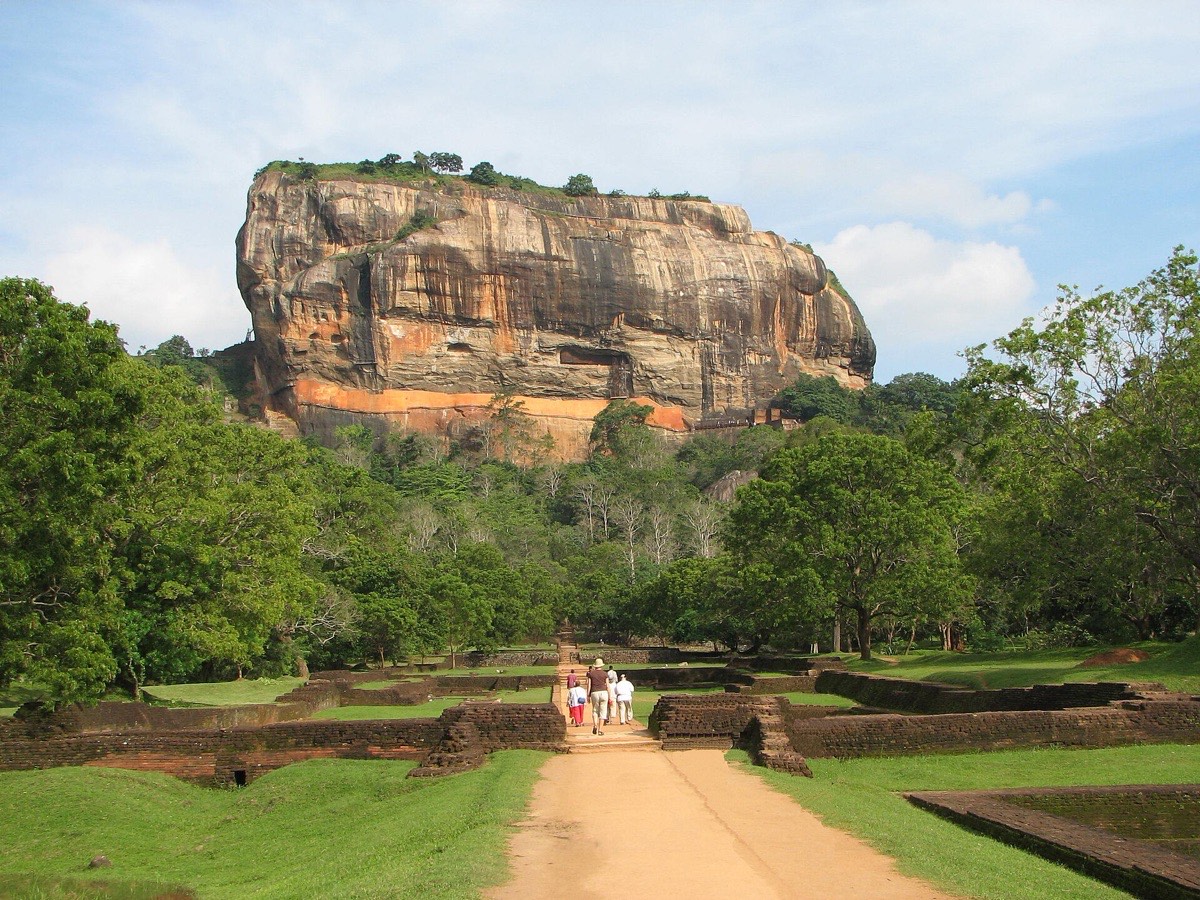
Sri Lanka's tourism authority (SLTDA) counted 2,362,521 tourists in 2025, up 15.1% and a record recovery after the economic crisis of 2022. The island is less than half the size of Bangladesh, yet it packs beaches, tea country, wildlife safaris and ancient cities like Sigiriya into short, easy routes. It markets itself hard abroad, has made visas easier for many countries, and its hotels, guides and trains are set up for foreign travellers.
The Maldives: islands as a product
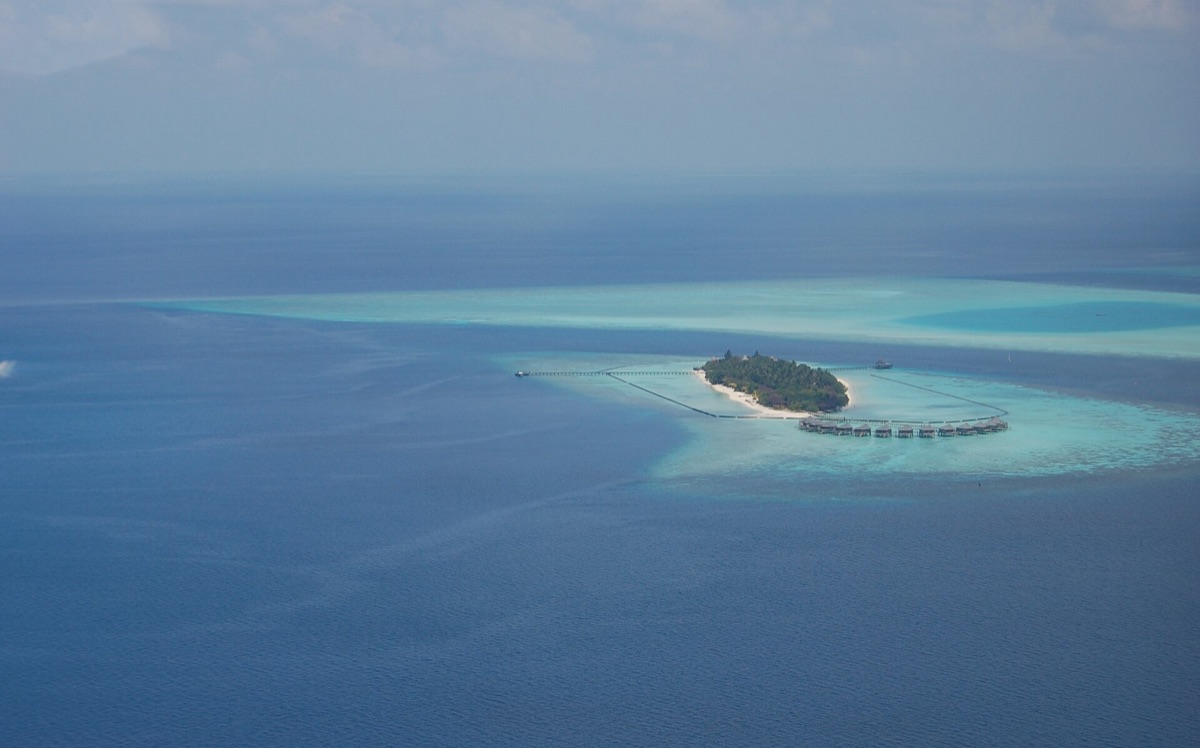
The Maldives has barely half a million people but welcomed more than two million tourists in 2024, and grew another 9.8% in 2025. Its model is simple: one island, one resort, everything included, with a seaplane or speedboat from the airport. Visas are given free on arrival to every nationality. It shows how much a clear, easy-to-sell product matters.
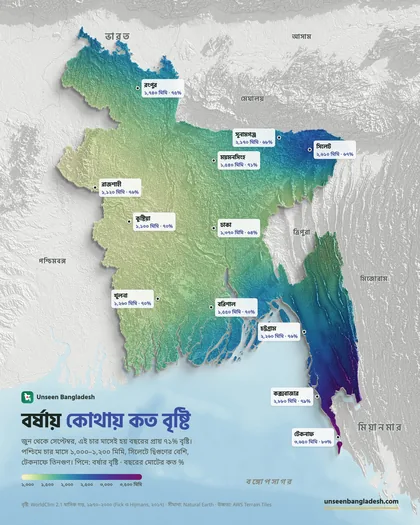
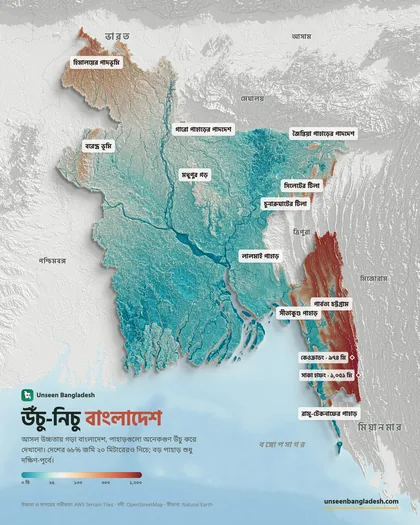
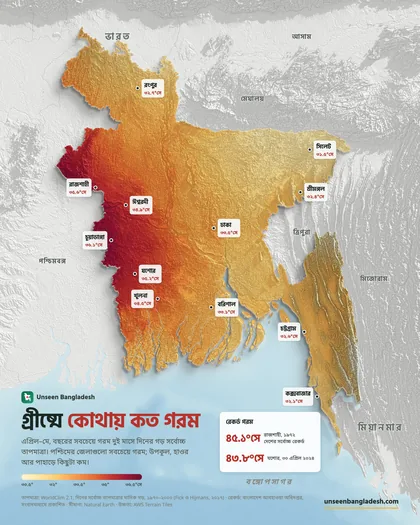
 From Map BangladeshBangladesh 3D AtlasWant to see the places in this post from the inside? 50 3D infographics, in Bangla and English.Free download →
Nepal: mountains and a trekking economy
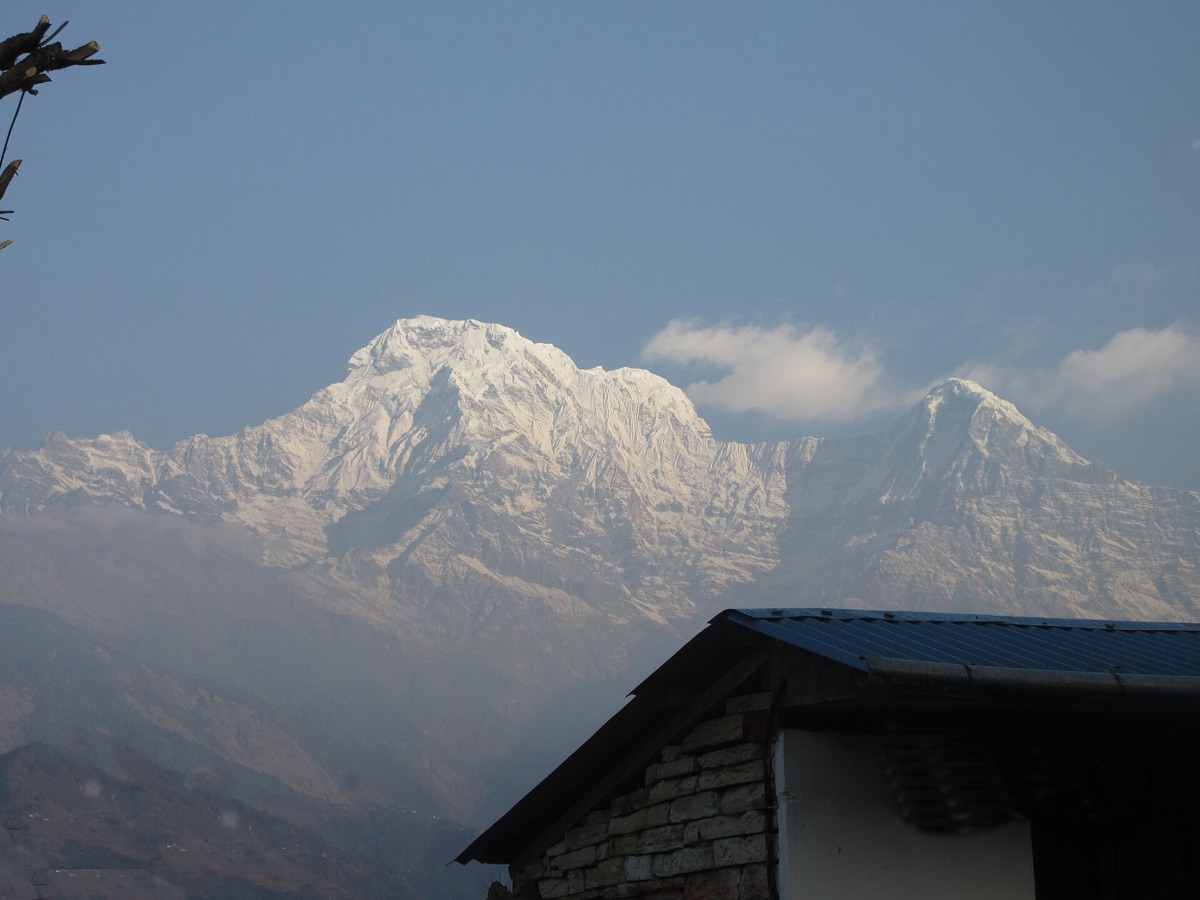
Nepal welcomed about 1.16 million foreign tourists in 2025 (calendar year), roughly a quarter of them from India. Everest and Annapurna draw trekkers and climbers from around the world, and teahouses, porters, guides and permit offices form a whole economy around them. Visas are available on arrival, and Kathmandu's Durbar Squares and stupas give visitors something to do before and after the mountains.
Bhutan: fewer visitors, by design
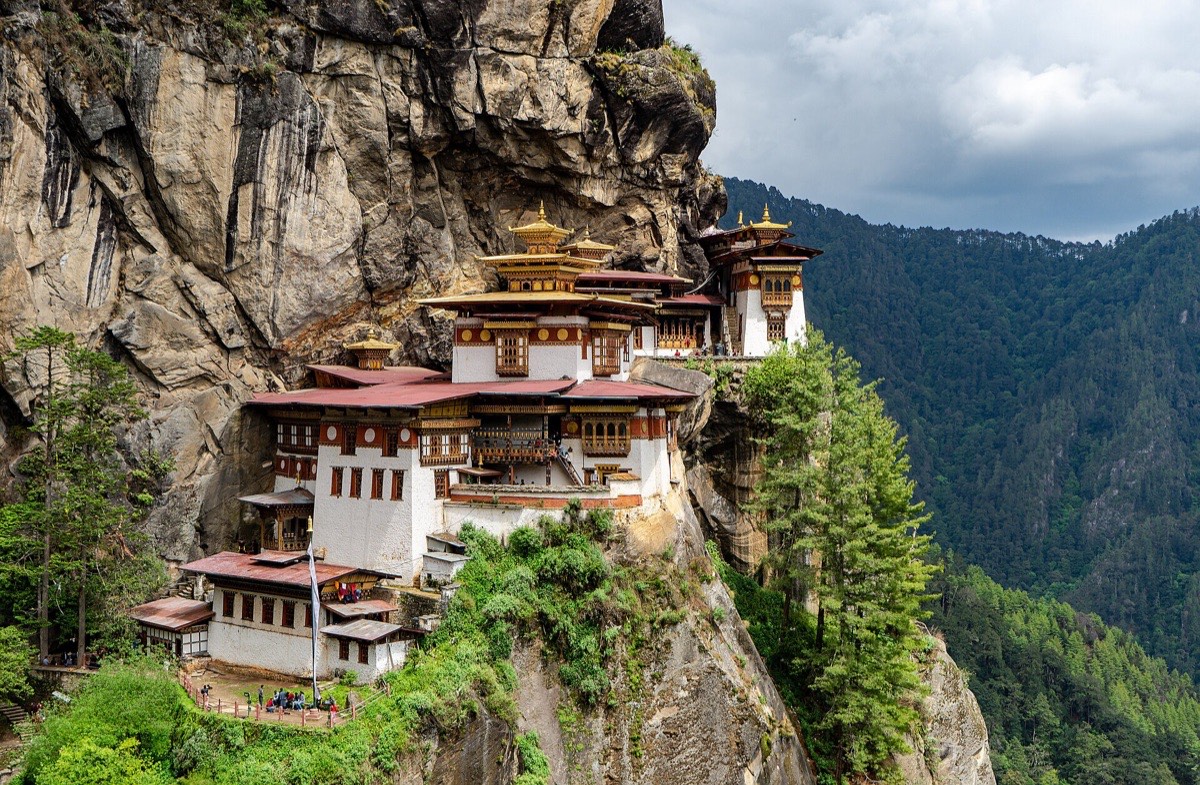
Bhutan received 209,376 visitors in 2025, up 44% on 2024. It asks most foreign tourists to pay a Sustainable Development Fee every night they stay, which keeps numbers small and spending high, a policy it calls "high value, low volume". Its numbers are small by choice, not by neglect, which is why Bhutan's place at the bottom of the bar chart tells a very different story from Bangladesh's.
Bangladesh: why are we behind?
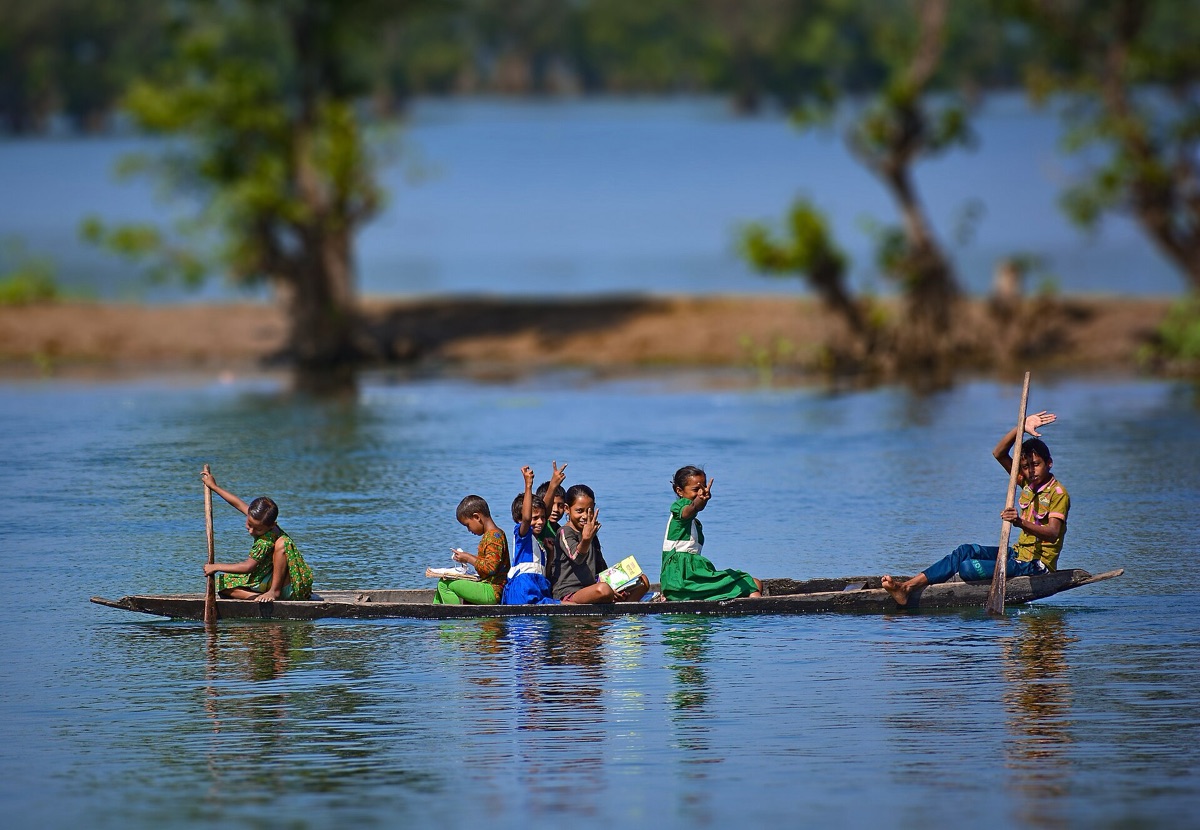
Bangladesh's 585,145 foreign arrivals in 2025 included many people who were not tourists at all. An estimate cited by TBS suggests that genuine leisure tourists make up no more than about 15% of foreign arrivals; the rest come for business, work, family or official visits. The first half of 2026 looks weaker still, with arrivals down about 20% year on year.
The reasons are well known, and most of them can be fixed:
- Fewer visitors from India. India was the biggest source of visitors, and that flow fell sharply in 2025.
- An image problem abroad. Foreign news and travel advisories shape how people see the country. We have written an honest guide on whether Bangladesh is safe for tourists.
- Infrastructure and services. On 12 November 2026 the Civil Aviation and Tourism Secretary said Bangladesh must close gaps in infrastructure, policy support and service quality to compete with its neighbours.
- Hard to plan from abroad. Information in English, online booking, card payments and trained guides are still thin outside the big cities.
- No reliable count. Airport officials told bdnews24 they don't keep a separate count of foreign tourists, so even basic planning data is missing.
What could change: the National Tourism Master Plan
The government is preparing a National Tourism Master Plan. Reports say the Bangladesh Tourism Board expects the reviewed document by 30 November, the Prime Minister may unveil it in December, and work on it should start in January 2027. Running from 2024 to 2041 and covering about 1,498 tourism sites, it targets 5.58 million tourists by 2041, almost ten times today's foreign arrivals. We explain what is in it in our post on the National Tourism Master Plan. The Tourism Board is also courting new markets: in November it met Türkiye's honorary consul in Konya about Turkish tourists and investment.
What our neighbours teach us
- Make entry easy. The Maldives gives free visas on arrival to everyone; Sri Lanka, India and Nepal offer e-visas or visas on arrival to many nationalities.
- Sell a clear idea. Bhutan sells calm and culture, the Maldives sells islands, Nepal sells mountains. Bangladesh could sell rivers, the Sundarbans, the world's longest beach and village life.
- Build routes, not just places. Sri Lanka's "cultural triangle" and Nepal's trekking circuits turn single sights into week-long trips.
- Count and listen. Good data on who comes, from where and why makes marketing far easier.
What you can do
You don't need to wait for a master plan. If you have foreign friends, colleagues or relatives, invite them and show them around. Plan a route with our trip planner, find places on the interactive map, and send them our English guides, such as Sundarbans, Sylhet and Old Dhaka in one day. Every good trip becomes a story that brings the next visitor.
Sources
Bangladesh Tourism Board via TBS and Bonik Barta (2025 arrivals and the 15% leisure estimate); The Daily Star (first half of 2026); Sri Lanka Tourism Development Authority, Year in Review 2025; India Ministry of Tourism dashboard; Nepal and Bhutan tourism statistics; TBS (Tourism Secretary, 12 November 2026); Dhaka Tribune and MENAFN (master plan); bdnews24 (airport counts). Figures were checked on 21 November 2026 and may be revised.
Questions and answers
How many foreign tourists visited Bangladesh in 2025?
585,145, according to the Bangladesh Tourism Board, 47,949 fewer than in 2024, a fall of 7.6%.
Which South Asian country gets the most foreign tourists?
India, with about 9.15 million foreign tourist arrivals in 2025, followed by Sri Lanka (2.36 million) and the Maldives (about 2.25 million).
Does Bangladesh get the fewest tourists in South Asia?
Not in total: Bhutan received fewer (209,376) because it limits visitors with a daily fee. But per person, Bangladesh gets the fewest of the six countries compared here, about 3 foreign visitors per 1,000 residents.
Why do so few foreign tourists visit Bangladesh?
Fewer visitors from India, a weak image abroad, gaps in infrastructure and services, and the difficulty of finding English information and booking online. Only about 15% of foreign arrivals are thought to be leisure tourists.
What is Bangladesh's tourism target?
The National Tourism Master Plan (2024–2041) targets 5.58 million tourists by 2041. Its rollout is expected to start in January 2027.
See it on the map, plan your trip
Look up the places, routes and costs, then put your own trip together.