Old Dhaka in One Day: How to Get to Dhakeshwari Temple, Lalbagh, Ahsan Manzil and Food
A one-day walking and rickshaw route from Dhakeshwari Temple to a boat on the Buriganga at Sadarghat. Which metro station to use, which sights close on which day, the history of Lalbagh Fort, the Star Mosque, the Armenian Church and Ahsan Manzil, where to eat biryani, and costs.

- How long
- A full day (9 am–7 pm)
- Getting around
- Rickshaw and on foot
- Nearest metro station
- Dhaka University
- Cost
- ৳800–1,500 per person (with food)
- Weekly closures
- Lalbagh on Sunday, Ahsan Manzil on Thursday
Trip ticket
The four-hundred-year-old city is still alive in its narrow lanes, rickshaw bells and the smell of biryani. A Mughal fort, the Nawabs' palace, an 18th-century church, a mosque decorated with porcelain stars and Dhakeshwari Temple, which may have given the city its name, all lie within a kilometre or two of each other. This guide shows how to see the best of Old Dhaka in a day by rickshaw and on foot, which places close on which day, and what to eat where.
Before you start: which day to go
Old Dhaka's two main museums close on different days, so choosing the day matters.
| Place | Weekly closure | Remember |
|---|---|---|
| Lalbagh Fort | Sunday | Closed for a while during Friday prayers |
| Ahsan Manzil | Thursday | Opens on Friday afternoon |
| Dhakeshwari Temple | Open daily | Very crowded during pujas |
| Star Mosque | Open daily | Visitors limited at prayer times |
| Armenian Church | Usually open | Ask the caretaker at the gate to go in |
Best days: Saturday, or Monday to Wednesday. Friday mornings have empty roads, but many places close during Friday prayers. Museum hours and ticket prices change now and then, so check before you go.
How to get to Dhakeshwari Temple
Dhakeshwari Temple is in the Palashi–Bakshibazar area, less than a kilometre from Lalbagh Fort, so it's the easiest place to start the day.
- By metro: take the metro from Uttara or Mirpur to Dhaka University station. From there a rickshaw via Palashi takes 10–15 minutes, ৳50–80.
- By bus: get off a bus to Shahbagh, Nilkhet or Azimpur and take a rickshaw. From Nilkhet it's 5–10 minutes by rickshaw.
- What to tell the rickshaw puller: "Dhakeshwari Mandir, via Palashi" is enough. Nearby landmarks are BUET and Palashi Mor.
- Uber or Pathao: set the destination to "Dhakeshwari Temple", but the lane in front is narrow; get out on the main road and walk.
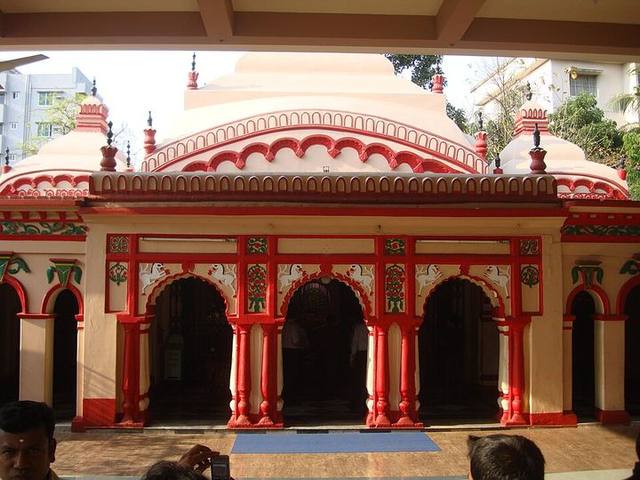
The history of Dhakeshwari Temple
Dhakeshwari is the national temple of Bangladesh and one of the oldest temples in Dhaka. Tradition says King Ballal Sen of the Sena dynasty founded it in the 12th century, though the present buildings were built and restored at various times since. "Dhakeshwari" means "goddess of Dhaka", and many believe the city's name comes from it.
The compound holds the main temple, four Shiva temples and a pond. It hosts one of the country's biggest Durga Puja celebrations. There's no ticket. Leave your shoes outside, dress modestly and ask before taking photos during worship.
A one-day route
The route runs roughly west to east, from Lalbagh down to the bank of the Buriganga.
9 am: Dhakeshwari Temple
The temple is calm in the morning, with prayer bells and incense. Allow half an hour to an hour.
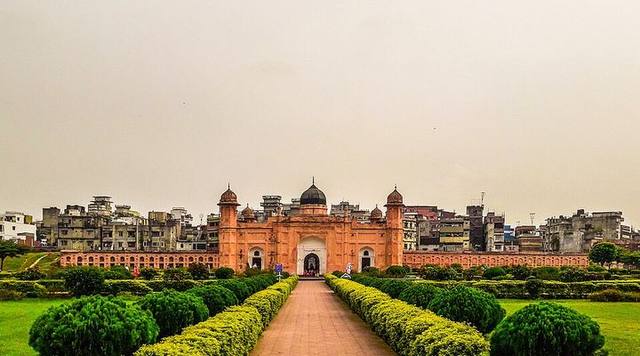
10 am: Lalbagh Fort
Mughal prince Azam Shah began the fort in 1678, and governor Shaista Khan carried on the work. But after the death of Shaista Khan's daughter Pari Bibi the work stopped, so Lalbagh is an unfinished fort. Inside are Pari Bibi's tomb, the audience hall and bathhouse (now a museum) and a three-domed mosque. Walking the green lawns between the red walls takes an hour and a half to two hours.
12:30 pm: lunch
From Lalbagh, take a rickshaw towards Nazira Bazar or Becharam Dewri. Old Dhaka's famous biryani, morog polao and kacchi shops are around here. Many sell out soon after lunchtime, so don't be late.
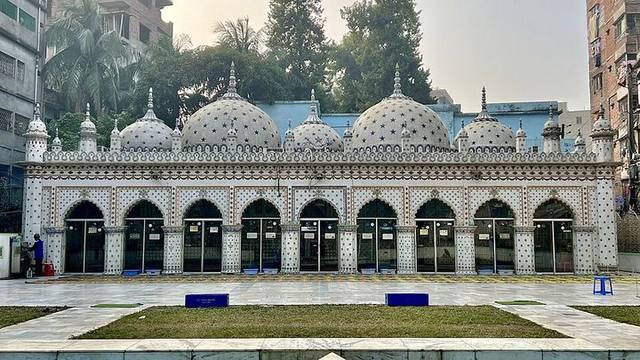
2 pm: the Star Mosque and the Armenian Church
Both are in Armanitola, five minutes' walk apart.
- Star Mosque: an 18th-century mosque later decorated with blue stars on white walls using pieces of Chinese and Japanese porcelain. Avoid prayer times and cover your head before going in.
- Armenian Church (1781): Dhaka once had a large Armenian merchant community, and the name Armanitola comes from them. The old gravestones in the churchyard tell that history.
3:30 pm: Ahsan Manzil
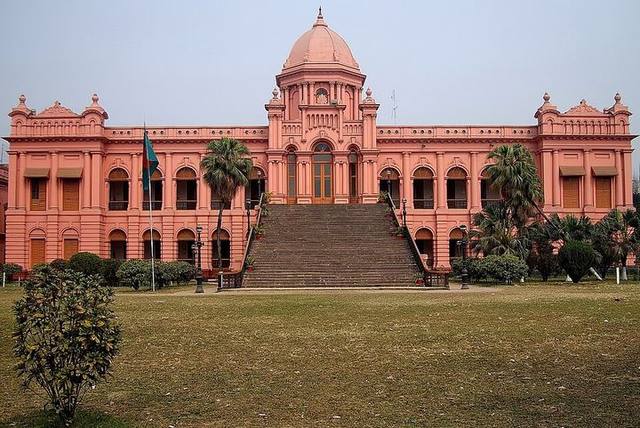
The pink palace of the Nawabs of Dhaka on the bank of the Buriganga, now part of the National Museum. Nawab Abdul Ghani had the domed building built in the 19th century. Inside are furniture, paintings and the durbar hall from the Nawabs' time. The big staircase facing the river is the best spot for photos.
5 pm: Shankhari Bazar and Sadarghat
Walk from Ahsan Manzil to Shankhari Bazar, the narrow lane of conch-shell bangle makers going back centuries, lined with old, tightly packed houses and shops selling shell bangles and vermilion. Then go to Sadarghat and take a boat on the Buriganga for half an hour; in the afternoon light the view of Ahsan Manzil and the launch terminal from the river is superb.
| Activity | Approximate cost |
|---|---|
| Boat on the Buriganga, half an hour (whole boat) | ৳150–300 |
| Rickshaw, each short hop | ৳40–100 |
More to see if you have time
- Hussaini Dalan: the Shia imambara where the Muharram tazia procession begins.
- Bara Katra and Chhota Katra: ruins of Mughal-era caravanserais near Chawkbazar.
- Beauty Boarding: an old house in Banglabazar, once a meeting place for poets and writers.
- Curzon Hall and the Central Shaheed Minar: in the Dhaka University area near the metro station; see them at the start or end of the day.
What to eat
Old Dhaka's food is a reason to go in itself.
- Biryani and kacchi: Haji Biryani, Nanna Mia's morog polao and many other old shops.
- Bakarkhani: hot from the tandoors of Lalbagh and Chawkbazar in the morning.
- Borhani and lassi: borhani with your biryani, lassi and faluda in the afternoon.
- Chawkbazar's iftar market in Ramadan: go during the fasting month for a huge spread of iftar dishes.
Costs
Per person, for one day:
| Item | Approximate cost |
|---|---|
| Metro or bus (return) | ৳60–200 |
| Rickshaws (all day, shared) | ৳150–300 |
| Lalbagh and Ahsan Manzil tickets | ৳50–100 (more for foreigners) |
| Lunch and snacks | ৳400–700 |
| Boat (shared) | ৳50–150 |
| Total | ৳710–1,450 |
A few tips
- Wear comfortable shoes; the lanes are narrow and you'll be walking a lot
- Keep your wallet and phone safe, especially at Sadarghat and in crowded lanes
- Dress modestly at mosques and temples
- Carry water on hot days and rest in the shade at midday
- Ask artisans and shopkeepers before photographing them
For Dhaka's other sights, such as the Parliament House, the National Museum and Hatirjheel, see our Dhaka district guide. Each place also has its own page: Lalbagh Fort, Ahsan Manzil.
Questions and answers
How do I get to Dhakeshwari Temple?
Take the metro to Dhaka University station, then a rickshaw via Palashi for 10–15 minutes. It's also easy by rickshaw from Nilkhet or Azimpur. The temple is near BUET, less than a kilometre from Lalbagh Fort.
Do you need a ticket for Dhakeshwari Temple?
No, there's no ticket. You leave your shoes outside.
When is Lalbagh Fort closed?
All day Sunday, and for a while during Friday prayers. Hours shift a little with the season.
When is Ahsan Manzil closed?
On Thursday; on Friday it opens in the afternoon.
Can you see all of Old Dhaka in one day?
The main sights (Dhakeshwari, Lalbagh, the Star Mosque, the Armenian Church, Ahsan Manzil and Sadarghat) fit comfortably into a day. Hussaini Dalan or the katras will need a few more hours.
See it on the map, plan your trip
Look up the places, routes and costs, then put your own trip together.