Kaptai Lake Travel Guide: Boat Hire, Costs and What to See in Rangamati
Bangladesh's largest man-made lake, ringed by hills. How to get there from Dhaka and Chattogram, which ghat to hire a boat from and what it costs, a one-day route past the hanging bridge, Shuvolong falls and Rajban Vihara, plus where to stay, what to eat and a budget.

- From Dhaka
- About 310 km, 7–8 hours by bus
- From Chattogram
- About 77 km, 2.5–3 hours by bus
- How long
- 1–2 days
- Boat hire
- ৳1,500–3,000 for a whole boat for the day
- Best time
- July–November (full lake, waterfalls running)
Trip ticket
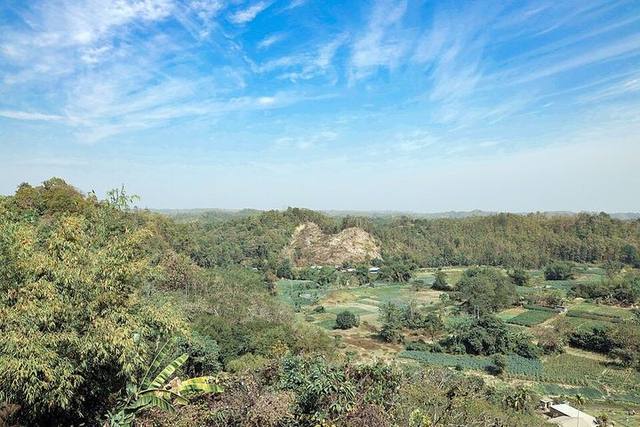
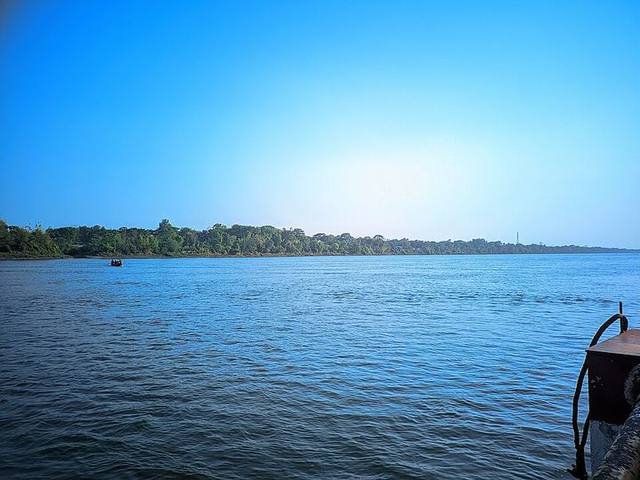
Rangamati looks as if it floats on water. Green hills all around, blue water in between, and small boats threading their way through. That water is Kaptai Lake, the largest man-made lake in Bangladesh. One day on a boat takes in the hanging bridge, Shuvolong waterfall, Rajban Vihara and the island restaurants in the middle of the lake. This guide covers how to get there, how to hire a boat, what it costs, where to stay and what to eat, step by step.
How Kaptai Lake was made
Kaptai Lake isn't natural. In the early 1960s the Kaptai Dam was built across the Karnaphuli river to generate hydroelectric power. Water backed up behind the dam and flooded the hill valleys, creating today's huge lake. The old town of Rangamati, the Chakma royal palace and many villages went under; around 100,000 people lost their homes, most of them from the hill communities.
So the lake's beauty comes with a painful history. Locals say traces of old houses still show when the water drops in the dry season. Today the lake's fish and waterways support thousands of people, and for many upazilas of Rangamati a boat is the only way in.
How to get to Kaptai Lake from Dhaka
By bus, Dhaka to Rangamati
Shyamoli, Hanif, S. Alam and a few other companies run direct buses from Sayedabad and Kalabagan to Rangamati. The trip takes 7–8 hours. Take an overnight bus and you arrive at dawn with the whole day for the lake.
| Bus | Approximate fare (one way) |
|---|---|
| Non-AC | ৳800–950 |
| AC | ৳1,300–1,800 |
From Chattogram
Buses to Rangamati leave Oxygen Mor and Bahaddarhat in Chattogram every so often and take two and a half to three hours. Taking the train or a flight to Chattogram and a bus on from there is a good alternative.
Through Kaptai upazila
The other end of the lake is in Kaptai upazila, about two hours from Chattogram. The dam, the national park and lakeside restaurants are here. You can cross the lake by boat from Kaptai to Rangamati, but check the boat times in advance.
Boat hire: where and how much
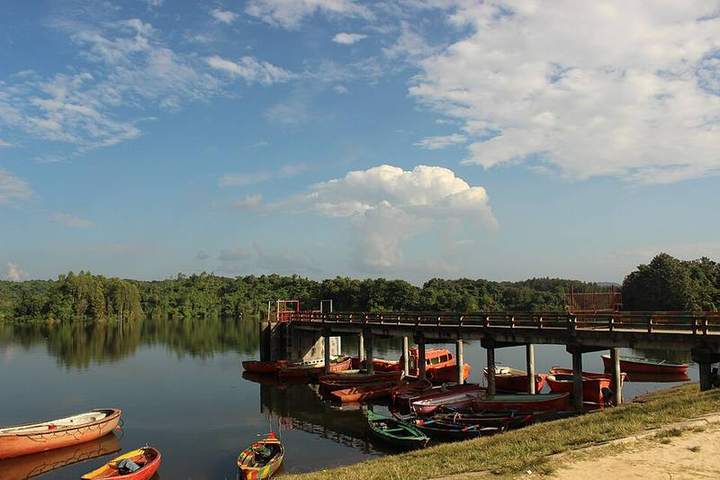
The main way to see Kaptai Lake is by engine boat. You can hire one from Reserve Bazar ghat or the Parjatan ghat (near the hanging bridge) in Rangamati town.
| Boat | Approximate fare |
|---|---|
| Small boat, half day | ৳1,000–1,800 |
| Medium boat, full day (10–15 people) | ৳1,500–3,000 |
| Large boat, full day (20+ people) | ৳3,000–4,500 |
Settle three things when you agree the fare:
- Which stops: the hanging bridge, Shuvolong, Rajban Vihara, Peda Ting Ting or Tuktuk Eco Village; give the list up front.
- For how long: a full day usually means from 8–9 am to 4–5 pm.
- Life jackets: check there is one for everyone on board. If there isn't, take another boat.
What to see on Kaptai Lake
The hanging bridge
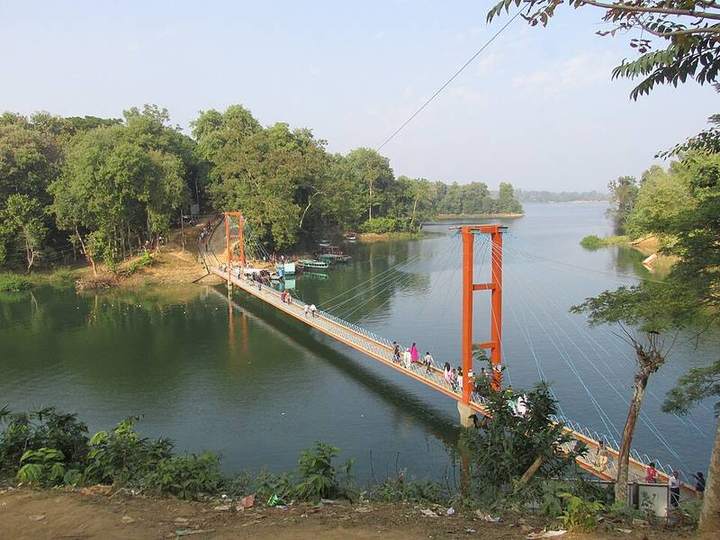
The orange suspension bridge spanning the lake beside the Parjatan Motel is the symbol of Rangamati. The view of the hills and water is best from the middle. There is a small entry fee. When the monsoon pushes the water very high the deck goes under and the bridge closes for a while, so check before you go in that season.
Shuvolong waterfall
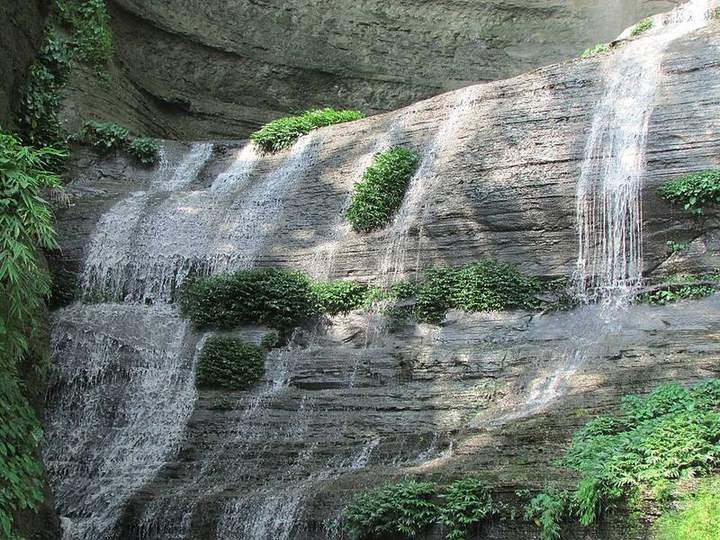
About an hour and a half by boat from Rangamati town, a waterfall comes down the hillside beside the lake. It has the most water during and just after the monsoon and nearly dries up by late winter. The steep hills on both sides of the lake on the way to Shuvolong are the most beautiful part of the trip.
Rajban Vihara and the Chakma royal palace
Rajban Vihara, on the lakeshore, is one of the largest Buddhist monasteries in the country, with a calm atmosphere, a large prayer hall and hill-style architecture. The Chakma royal palace is a short way from the ghat nearby. These are religious sites: dress modestly, take your shoes off and keep quiet during prayers.
Island restaurants
Several restaurants sit on small islands in the lake, such as Peda Ting Ting and Tuktuk Eco Village. Stopping here for bamboo chicken, lake fish and hill food at lunchtime is one of the joys of the trip. On busy days, ask your boatman to phone your order ahead so you wait less.
Kaptai Dam and National Park
Towards Kaptai upazila you'll find the Karnaphuli river, the dam area and Kaptai National Park's hill forest. The dam area is protected, so check the rules on entry and photography.
A one-day route (from Rangamati town)
- 8 am: set off by boat from Reserve Bazar or the Parjatan ghat
- 9:30 am: Shuvolong waterfall; time under the falls in the monsoon
- 12 noon: lunch at Peda Ting Ting or Tuktuk Eco Village on the way back
- 2 pm: Rajban Vihara and the Chakma royal palace
- 3:30 pm: the hanging bridge, for the lake in afternoon light
- Evening: hill textiles and handicrafts at Tabalchhari market in town
With two days, spend the second in Kaptai upazila (the dam, the national park and lakeside resorts) and return via Chattogram. If you want clouds, plan a trip to Sajek through Khagrachhari; the details are in our Sajek Valley travel guide.
Where to stay
- Parjatan Motel Rangamati: the government motel beside the hanging bridge, with a lake view. Book ahead for holidays.
- Lakeside resorts: a few resorts and cottages on the lake outside town; ৳2,500–8,000.
- Town hotels: mid-range hotels around Reserve Bazar and Banarupa; ৳1,200–3,000.
What to eat
Food in Rangamati has a hill flavour. Try bamboo chicken (spiced chicken roasted in a bamboo tube over a fire), bamboo shoot curry, fresh fish from Kaptai Lake and hill vegetables. The hill-food restaurants in town serve traditional dishes.
A two-day budget
Per person, for a group of 8–10:
| Item | Approximate cost |
|---|---|
| Dhaka–Rangamati bus (return) | ৳1,600–3,600 |
| Boat (shared, one day) | ৳200–400 |
| One night in a hotel (shared) | ৳600–1,500 |
| Food (2 days) | ৳1,200–2,000 |
| Entry fees and extras | ৳200–500 |
| Total | ৳3,800–8,000 |
When to go
- July–November: the lake is full, the hills are at their greenest and Shuvolong is running. The best time for photos.
- December–February: pleasant weather and clear skies, but the water level drops and the falls are almost dry.
- March–May: hot, with the lowest water. If you go then, be on the boat early in the morning and late in the afternoon.
Things to remember
- Always wear a life jacket on the boat, even if you can swim
- If storms or heavy rain are forecast, don't go out to the middle of the lake; listen to the boatman
- Ask before photographing hill people or their homes
- Don't throw plastic bottles or packets in the lake; keep a bag on the boat
- Carry a copy of your national ID; checkpoints in the hill districts may ask for it
For Rangamati's other sights, transport and emergency numbers, see our Rangamati district guide. To plan the whole trip day by day, use the Trip Planner.
Questions and answers
Which district is Kaptai Lake in?
Kaptai Lake is in Rangamati Hill District. Rangamati town sits on the lakeshore, and the other end of the lake is in Kaptai upazila.
How much does a boat on Kaptai Lake cost?
A medium boat for 10–15 people for a full day from Rangamati usually costs ৳1,500–3,000. Prices vary with the season and your bargaining.
Can I see Kaptai Lake in one day?
Yes. Take a boat in the morning and you can see Shuvolong, the hanging bridge and Rajban Vihara, with lunch, in a single day.
When does Shuvolong waterfall have water?
During and after the monsoon, roughly July to October–November. In late winter and summer there is very little water.
Is the hanging bridge always open?
Usually, but when the monsoon raises the lake very high, the bridge goes under water and is closed for a while.
See it on the map, plan your trip
Look up the places, routes and costs, then put your own trip together.